The US healthcare system continues to face considerable financial strain, although there are pockets of opportunity. Industry EBITDA as a percentage of national health expenditures (NHE) fell from 11.2 percent in 2019 to 8.9 percent in 2024. In 2027, the picture is expected to worsen slightly, with industry EBITDA as a percentage of NHE expected to drop to 8.7 percent.
Payers and providers have borne the brunt of the decline to date and will continue to feel financial pressure in the immediate future. For example, payers are facing enrollment declines in Medicaid and Affordable Care Act (ACA) plans because of regulatory changes. Meanwhile, providers could experience an increase in uncompensated care and loss of reimbursement.
Looking ahead to 2028 and 2029, we anticipate stronger results underpinned by healthcare players’ actions to buttress their financial position. They will likely move tactically to address pricing and costs and strategically to reallocate resources to growing market segments and pursue business portfolio and scale shifts through M&A and divestitures.
While the overall near-term outlook is somber, opportunities exist in several parts of the industry. Some segments of healthcare are continuing to grow rapidly, including health services and technology (HST), supported by advances in technology and AI; specialty pharmacy; and ambulatory care in the provider space.
For payers, group insurance is emerging as a bright spot as some members may be able to obtain insurance from their employers after disenrolling from ACA plans and Medicaid. In the acute care segment, attention to trends in working-age populations and demographic mix in geographies will be key to the growth of value pools.
Healthcare leaders must rethink traditional models, improve performance, and embrace technology to remain competitive. Those that do will be well positioned to lead the next chapter of US healthcare. In this year’s report, we provide a perspective on how recent challenges have affected payers, providers, HST, and pharmacy services, as well as what to expect in 2026 and beyond.
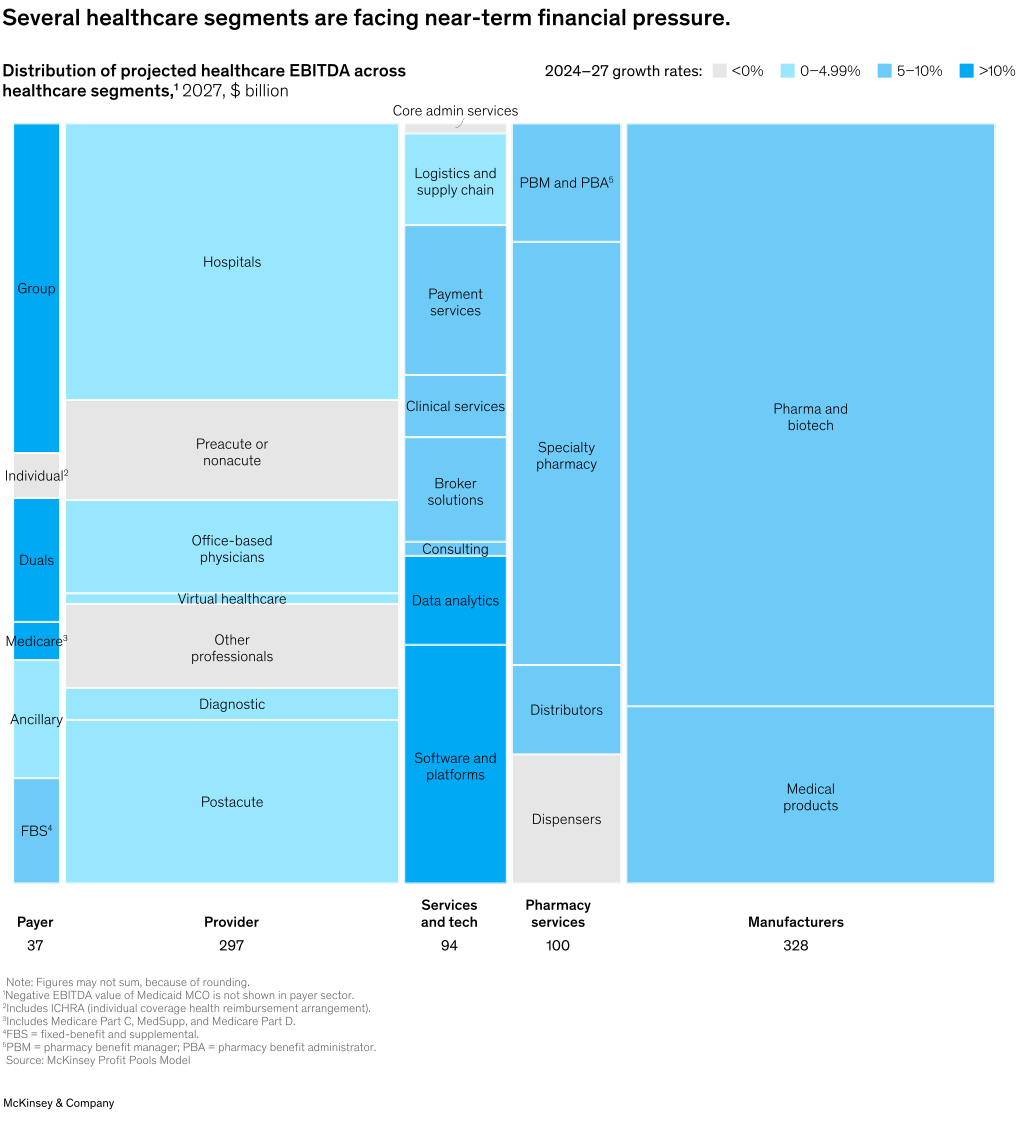
Several healthcare segments are expected to face financial pressure
We estimate that overall healthcare EBITDA will grow annually at 5 percent in 2024–27 (Exhibit 1) and then at 10 percent annually in 2027–29 (Exhibit 2).1 Certain segments are expected to increase more slowly in 2026–27 due to ACA disenrollment given expiration of enhanced subsidies and to policy-driven changes in Medicaid business under the One Big Beautiful Bill Act (OBBBA). Other areas, such as HST and specialty pharmacy, are likely to grow steadily throughout the 2024–29 period. Below, we summarize the changes we expect to see in the payer, provider, HST, and pharmacy segments.

Payers
EBITDA levels in 2024 hit historic lows across payer markets, driven by factors such as increased utilization in the aftermath of the COVID-19 pandemic, rising GLP-1 adoption, and membership losses following the expiration of the pandemic-era public health emergency. But we expect performance to diverge across payer markets in the coming years.
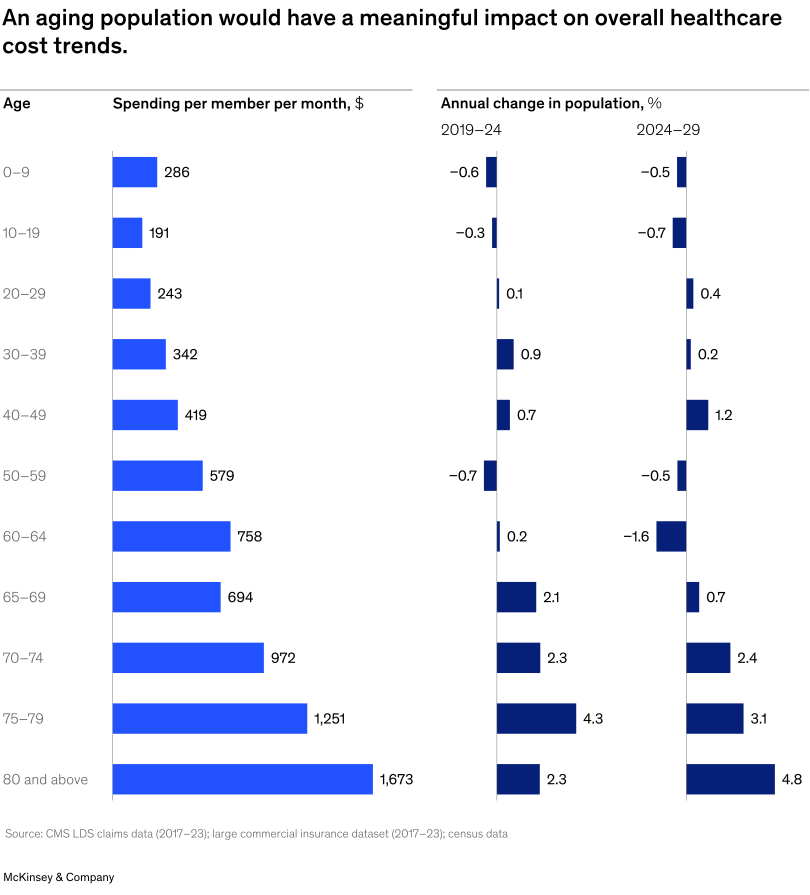
Payers have experienced higher growth in claims costs for several reasons, including the aging Medicare population (Exhibit 3) and surging pharmacy costs. The proportion of the population aged 80 and above increased from 3.8 percent in 2017 to 4.2 percent in 2024 and is estimated to reach 5.2 percent by 2029, according to US Census Bureau data. This demographic shift is expected to contribute an additional 0.5 percent to 1.0 percent annual increase in claims costs.
Group commercial insurance is likely to emerge as the primary growth driver for payers, rebounding from historically low EBITDA margins in 2024. Meanwhile, Medicare Advantage margins are expected to stabilize at about 2 percent, remaining below historical levels.
Medicaid margins will continue to erode due to adverse selection, delays in pricing revalidation, and member disenrollment following the expiration of the public health emergency, with additional disruption expected from member disenrollment from government policy changes in 2027–28. Similarly, the ACA segment will face margin pressures from member disenrollment when enhanced subsidies expire in 2026.
After 2027, payer recovery will depend on adoption of new care models, optimized pricing models, industry partnerships, and AI-enabled back end transformations to enhance efficiency and cost management.
Providers
Healthcare providers are navigating a complex and uneven recovery. Following years of inflationary cost shocks and labor shortages, utilization has rebounded—but financial risks have also increased. Rising levels of uncompensated care, particularly from those who are uninsured, are expected to pressure EBITDA margins in 2027, with annual EBITDA growth from 2024 to 2027 estimated at just 1 percent.
Hospitals, in particular, may face further margin erosion from policy changes such as site neutrality, which is not yet reflected in current estimates. Beyond 2027, the shift of uninsured individuals into employer-sponsored coverage as they gain eligibility in their current roles or seek new employment with health coverage will support provider margin recovery. Providers are expected to adopt further cost-management measures to support margins.
Amid these challenges, overall non-acute care remains a strong growth area. Post-acute and outpatient care continue as bright spots supported by segments such as home health, hospice, and ambulatory surgery centers (ASCs), with an aging population and continued site-of-care shifts fueling growth. In contrast, other outpatient areas such as diagnostic imaging centers and dialysis clinics are expected to experience relatively low growth.
Health services and technology
HST is expected to continue as the fastest growing segment in healthcare. Software platforms have a growing role within the healthcare ecosystem, enabling providers and payers to become more efficient in an increasingly complex environment. Technological innovation (for example, gen AI and machine learning) is creating opportunities for stakeholders across segments by automating workflows, promoting data connectivity and interoperability, and generating actionable insights.2
As these innovations mature, providers and payers are likely to continue seeking outsourced services and technology platforms to capture efficiencies and cost savings. This could create large value pools for software and tech-enabled-services platforms and advanced data and analytics businesses that can offer healthcare-tailored services.
Federal policy changes, such as the Rural Health Transformation Program, are creating funding opportunities for technology use cases (for example, telehealth services and AI tools). HST players are well positioned to help states and rural health providers implement these innovative technologies, which may contribute to increased outsourcing. These policy changes, coupled with the pace of technological innovation with AI, may also accelerate a shift in value pools within HST segment toward software platforms and tech-enabled-services companies.
Pharmacy services
Pharmacy services are undergoing sweeping change. Specialty drugs, GLP-1 therapies, and new pricing models are reshaping the cost structure of pharmaceutical care. Cost-plus models and direct-to-consumer distribution are gaining traction as stakeholders seek greater transparency and affordability. Drug net spending rose by 11 percent from 2023 to 2024, largely due to innovative therapies such as GLP-1 agonists. US gross drug expenditure is anticipated to grow by about 8 percent annually from 2024 to 2029, potentially reaching $990 billion by 2029. Ambulatory infusion and hospital specialty pharmacy are expected to see the most rapid growth, exceeding 10 percent annually.
Regulatory and policy changes at both the federal and state levels are reshaping the pharmacy landscape. These changes may affect existing EBITDA margin drivers and could increase import costs amid global supply chain pressures. Furthermore, value chain pressure is heightening competition for prescriptions. Key competitive areas include the 340B discount value between providers and payers or pharmacy benefit managers, the rivalry between vertically integrated and independent pharmacies, the preference for ambulatory and home settings over hospital outpatient departments for complex infusions, and the expanding role of pharma-owned and -supported direct-to-consumer models.
Let’s look more closely at subsector performance.
Payers: Group insurance is expected to become the largest payer segment
In 2024, overall payer EBITDA was about $29 billion, down from about $61 billion in 2023. Payers’ results were affected by higher utilization, regulatory actions, and coverage shifts as people enrolled in Medicaid became uninsured. Because of these factors, EBITDA margins for commercial business fell from 3.4 percent to 1.8 percent; for government business, they fell from 2.9 percent to 0.5 percent.
Medical costs rose an average of 7 percent annually between 2021 and 2024. Pharmacy costs grew even faster at 9 percent annually.3 This rise in pharmacy spending is largely the result of increased use of GLP-1 drugs and high-cost specialty injectables. We estimate that pharmacy spending will increase about 8 percent annually, driven by growth in infusion and hospital specialty pharmacy use. Besides pharmacy, utilization of categories such as behavioral health services and emergency departments has also increased, further contributing to rising claims costs.
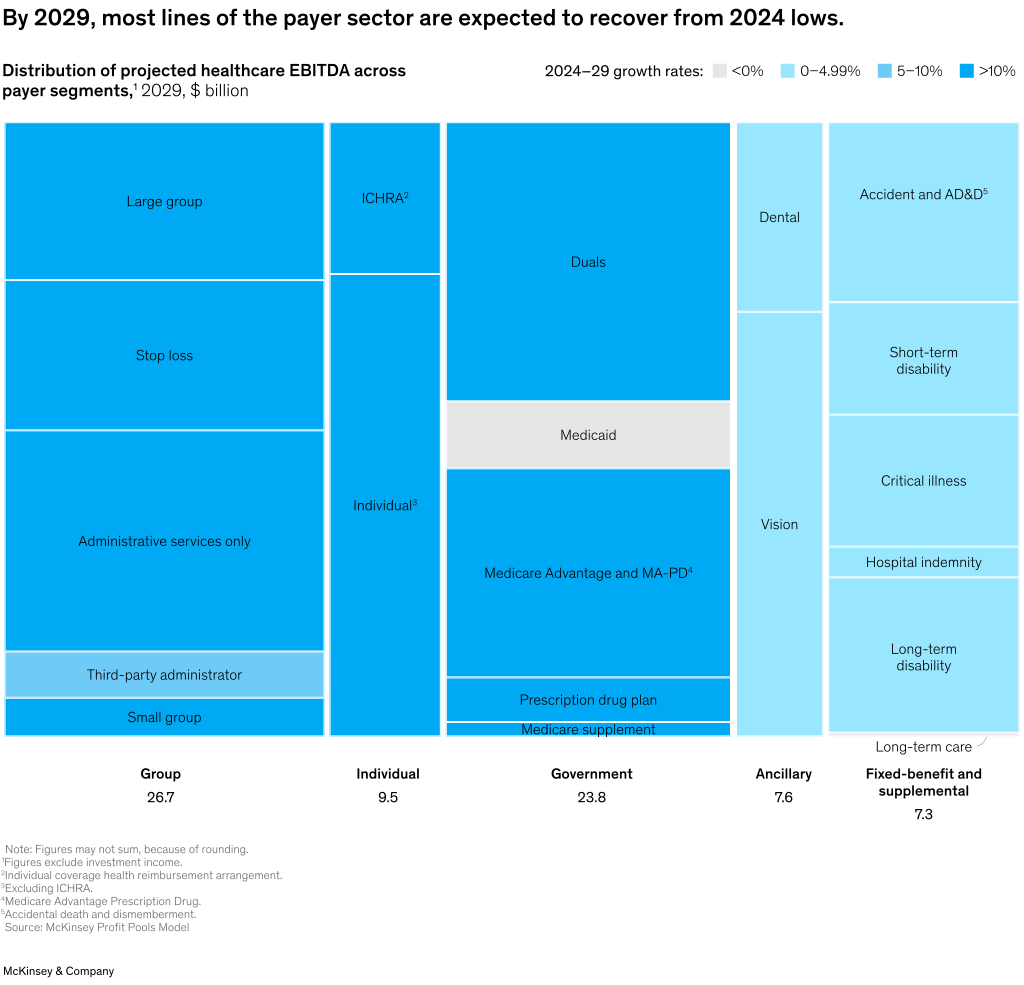
Near-term payer EBITDA faces headwinds. While group commercial and Medicare businesses are expected to stabilize and recover between 2024 and 2027, the ACA and Medicaid segments face a 25 to 30 percent decline in EBITDA due to disenrollment, prompted by enhanced subsidy expiration and the impact of the OBBBA. These factors will slow revenue growth and compress margins through adverse selection. Recovery for the ACA and Medicaid segments is anticipated in 2028 and 2029, driven by pricing adjustments and enrollment shifts. Overall, we estimate payer EBITDA will see a phased recovery, with commercial growth partly offsetting near-term government segment pressures (Exhibit 4).
Group insurance
The group insurance segment is expected to be the largest contributor to EBITDA by 2029, reaching $27 billion (a 36 percent share), up from $9 billion in 2024. Growth will be supported by premium adjustments, stabilizing utilization, and a pickup in insured lives starting in 2027 as some disenrolled Medicaid members transition to employer-sponsored plans.
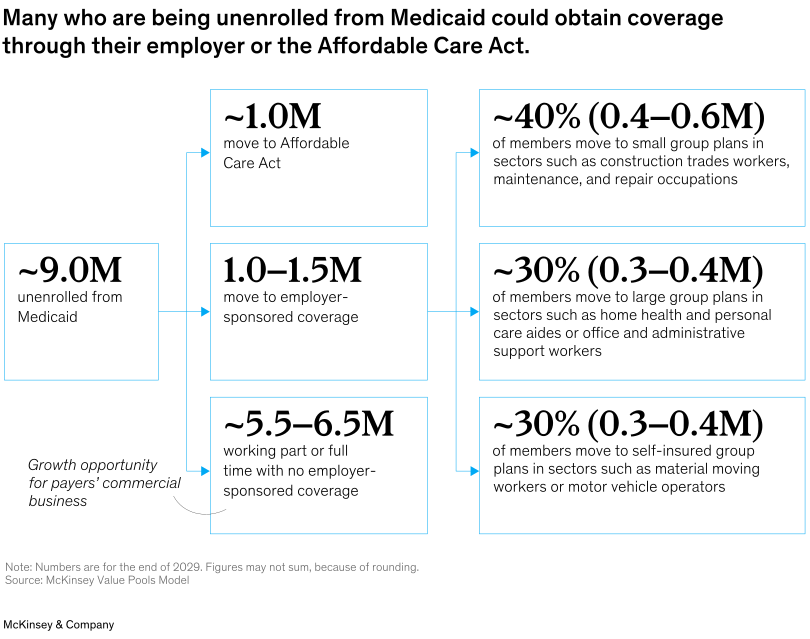
This situation presents an opportunity for group insurers. Of the approximately nine million members expected to disenroll from Medicaid, about six million are already employed either part or full time.4 Insurers could consider collaborating with employers to facilitate the enrollment of these individuals into group plans. In addition, economic growth could create up to five million jobs between 2026 and 2029, according to McKinsey research. We estimate that the growth may comprise one million to two million individuals who face Medicaid disenrollment but who could transition into employer-sponsored insurance, especially in sectors such as construction, maintenance and repair, and personal care services.
About two-thirds of these roles are expected to be with employers with fewer than 1,000 employees, which could spur growth in both small group plans and larger group or self-insured offerings. However, within the small group market, there may be a shift of 200,000 members from traditional employer-sponsored plans to individual coverage health reimbursement arrangements under the ACA.
In the large group segment, revenue per member per year is expected to rise incrementally by 2 to 3 percent annually through 2027 to offset higher provider reimbursement costs, though plan buydowns could reduce revenue by 20 to 60 basis points. EBITDA margins are unlikely to return to the segment’s historical 2 to 3 percent range due to limited pass-through of rate increases, reimbursement pressures, and increased GLP-1 utilization, settling at less than 2 percent by 2029.5
Self-insured membership
Self-insured membership is estimated to grow at 1 percent annually through 2029, with stronger growth from 2027 as some of those enrolled in Medicaid move into employer-sponsored plans as a result of the OBBBA. Margins should remain steady at 9 to 11 percent, supported by variable-fee models such as stop-loss models that sustain higher profitability than fixed-fee models. Within this segment, third-party administrator enrollment—currently 18 percent of total administrative-services-only membership—is expected to rise to 22 percent by 2029, with revenue per member growing 4 to 5 percent annually and EBITDA expanding 20 to 30 percent over the period.
ACA market
The expiration of enhanced ACA subsidies and OBBBA policy changes could create a challenging near-term environment; about nine million to ten million members are estimated to exit the individual market by 2026–27. This shift is likely to worsen the risk pool and compress EBITDA margins by 50 to 80 basis points between 2024 and 2027, resulting in a decline in revenue and EBITDA. Beginning in 2027, however, the market is expected to stabilize as ACA payers implement targeted pricing strategies and about one million Medicaid enrollees transition to ACA plans. With these actions, EBITDA margins are expected to gradually recover, normalizing at about 4 percent over the long term.
Medicare Advantage
Medicare Advantage EBITDA margins were pressured in 2024, approaching breakeven overall, with about 72 percent of plans operating at a negative EBITDA. The decline was driven by lower Centers for Medicare & Medicaid Services (CMS) rate increases, tighter risk adjustment policies, and a rise in medical costs of about 7 percent due to increased utilization and the Inflation Reduction Act’s impact on Medicare Part D drug expenses.
Medicare Advantage enrollment—particularly among dual-eligible populations—is expected to continue growing, albeit at a slower pace. Medicare Advantage enrollment rose by 8 to 9 percent annually from 2019 to 2024, but we estimate the growth rate will moderate to 4 to 5 percent annually from 2024 to 2029. The dual-eligible managed care segment is estimated to grow 2 to 3 percent annually between 2024 and 2029, driven by marketplace profitability pressures, reduction in supplemental benefits such as dental and vision, and a competitive shift to chronic-condition special-needs plans.
In 2026, margins are expected to begin a gradual recovery of 100 to 150 basis points and return to a long-term average of about 2 percent by 2029. Key drivers will include anticipated higher final CMS rate adjustments in 2026, payer-led product optimization initiatives, and market streamlining as unprofitable carriers exit. Additional tailwinds such as lower member acquisition costs (linked to CMS’s proposed agent commission limits), stabilizing utilization, and the continued growth of value-based care (estimated at 2 to 4 percent annually) are also expected to support recovery. A modest 5 to 10 percent increase in member out-of-pocket costs through product optimization such as reductions in ancillary benefits—for example, over-the-counter health products and vision—may further strengthen margin performance.
Medicaid
EBITDA in the Medicaid segment declined sharply from $14 billion in 2023 to $3 billion in 2024, primarily due to adverse selection following the expiration of the pandemic-era public health emergency. During 2027–28, overall Medicaid is expected to lose nine million to ten million members; managed care organizations are expected to lose seven million members, with a disproportionate number of healthier individuals exiting, leading to a deterioration in the risk mix. Given that rate adjustments typically lag behind 18 to 24 months, EBITDA is expected to decline further to negative levels in 2025 and 2026.
Looking ahead, the Medicaid segment will face continued challenges. Membership pressures driven by the implementation of the OBBBA could result in an additional six million to seven million disenrollments in 2027–28, potentially pushing EBITDA into negative territory—about negative $7 billion by 2028. A modest recovery is expected in 2029 as rate revalidations take effect and the risk mix stabilizes, bringing EBITDA slightly above breakeven to 1 percent. Some people losing Medicaid coverage could obtain coverage through their employer or the ACA (Exhibit 5).
Providers: Pre- and post-acute segments are expected to grow
Provider EBITDA margins grew to 9.1 percent in 2024 from 8.9 percent in 2023, marking a recovery from the weak 2022–23 period that can be attributed to inflationary pressure and labor shortages. However, EBITDA margins remain below prepandemic levels. Increased utilization, incremental rate improvements, and easing inflation are the main factors fueling the rebound. The recovery in patient volumes following the postpandemic slowdown and the aging population has led to higher utilization across all care segments. Growth has been strongest in pre-acute settings such as ASCs and urgent care centers, driven by site-of-care shifts. Post-acute care segments—particularly home health and hospice—have also seen substantial growth, largely due to population aging.
After recovering in 2024–25, EBITDA is expected to decline by about 2 percent in 2027 compared with 2025. This drop will largely reflect the impact of ACA and Medicaid disenrollment. The disenrollment is expected to increase the uninsured population and lead to higher levels of uncompensated care along with a potential reduction in Medicaid reimbursement due to provider tax changes (not yet reflected in current estimates). From 2028 onward, however, we anticipate a recovery due to reimbursement increases and cost-management measures as well as when a portion of those disenrolled from Medicaid get jobs and transition to employer-sponsored insurance. Those developments would improve reimbursement levels for providers relative to Medicaid and reduce uncompensated care (Exhibit 6).
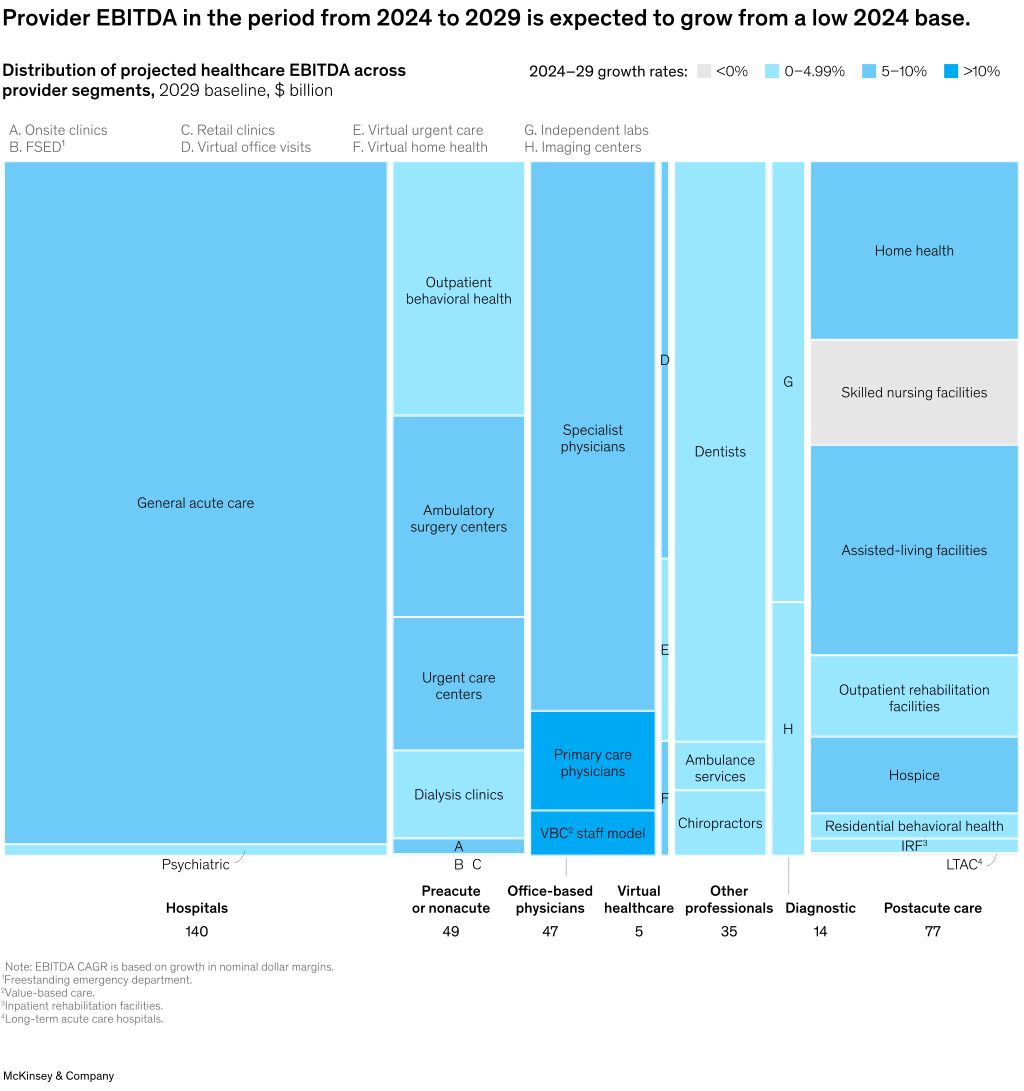
General acute hospitals
General acute hospital EBITDA margins are estimated to grow from 6.8 percent in 2024 to 7.6 percent by 2029, signaling an overall recovery spurred by rate increases and cost-management efforts. However, this recovery will be uneven. Between 2025 and 2027, hospitals will face headwinds from the impact of tariffs, subsidy expirationsd, and changes in federal policy, all of which are expected to reduce EBITDA margins by 40 to 100 basis points. There is also uncertainty about site neutrality policies, which could further reduce hospital revenue and EBITDA margins.
To counter these pressures, hospitals will likely seek above-average reimbursement rate increases from payers. Despite margin growth later in the decade, hospitals’ share of overall provider profits is expected to decline from 41 percent in 2019 to about 38 percent by 2029. This decline will result from a shift in care delivery toward lower-cost, freestanding sites, reducing the relative profitability of hospital-based care.
Office-based physicians
Office-based physicians are experiencing mixed dynamics. Primary care EBITDA margins rose from a low base in 2024, driven by improved labor productivity. But margins face near-term pressures, with an estimated one- to two-percentage-point drop from 2025 to 2027. This decline is primarily due to a 2.8 percent Medicare fee schedule cut in 2025 and the impact of tariffs on medical supply costs.
Meanwhile, specialty-care revenue is expected to grow 4 to 5 percent annually from 2024 to 2029, supported by demand for ancillary services such as diagnostics, imaging, and pharmacy. But tariffs will continue to be a headwind. Overall, office-based physicians’ EBITDA margins are expected to increase from 5.7 percent in 2024 to 6.1 percent by 2029, underpinned by stable labor costs and incremental rate increases.
Care delivery will continue to shift from acute hospital settings to ASCs. ASCs will gain volume from newly approved procedures such as orthopedic (for example, reconstruction of shoulder and ankle joints) and cardiovascular (for example, percutaneous coronary intervention) surgeries. Despite this growth, ASC EBITDA margins are estimated to decline modestly from 24.1 percent in 2024 to 23.5 percent in 2029 due to evolving regulatory policies, cost pressures, and limited surgeon availability. However, potential implementation of site neutrality policies could expand volumes.
Visits to urgent care centers are expected to grow steadily, with EBITDA margins improving slightly from 15.2 percent to 15.5 percent from 2024 to 2029 as rising demand and expanding revenue offset reimbursement challenges. Across all pre-acute segments, headwinds from tariff impacts, subsidy expirations, and federal policy changes such as the OBBBA are expected to reduce EBITDA margins by 50 to 70 basis points from 2024 to 2029.
Post-acute care
Post-acute care is positioned for stronger performance over the next several years, with continued growth in home health and hospice but stagnation in skilled nursing facilities. EBITDA for home health is estimated to expand at 6 percent annually from 2024 to 2029 as care transitions to lower-cost, patient-preferred home settings, supported by aging demographics and increasing membership in Medicare Advantage. However, EBITDA margin expansion will remain constrained due to CMS reimbursement pressure.
Hospice is expected to see stronger overall growth of 9 percent annually from 2024 to 2029, driven by rising Medicare enrollment, greater awareness of hospice benefits postpandemic, and a supportive policy environment emphasizing quality and transparency. While revenue growth is solid, EBITDA margins are likely to remain stable given provider rate dynamics.
By contrast, skilled nursing facilities face structural challenges as payers direct patients toward shorter stays and home recovery, resulting in flat revenue and sustained pressure from higher labor and compliance costs, limiting EBITDA margin improvement. Overall, the post-acute segment is evolving toward home- and hospice-based models, while traditional institutional settings such as skilled nursing facilities remain under pressure from shifting payer and patient preference.
HST: Increased outsourcing and adoption of innovative solutions will spur continued growth
HST is estimated to continue as the fastest-growing sector in healthcare (Exhibit 7), driven by more outsourcing from payers and providers, a continued shift in value pools from services to software, and increased adoption of innovative solutions powered by gen AI to promote efficiencies. Looking ahead, we estimate 8 percent annual growth in HST revenue pools and a 9 percent annual growth in HST EBITDA pools from 2024 to 2029, with HST EBITDA estimated to exceed $110 billion by 2029.
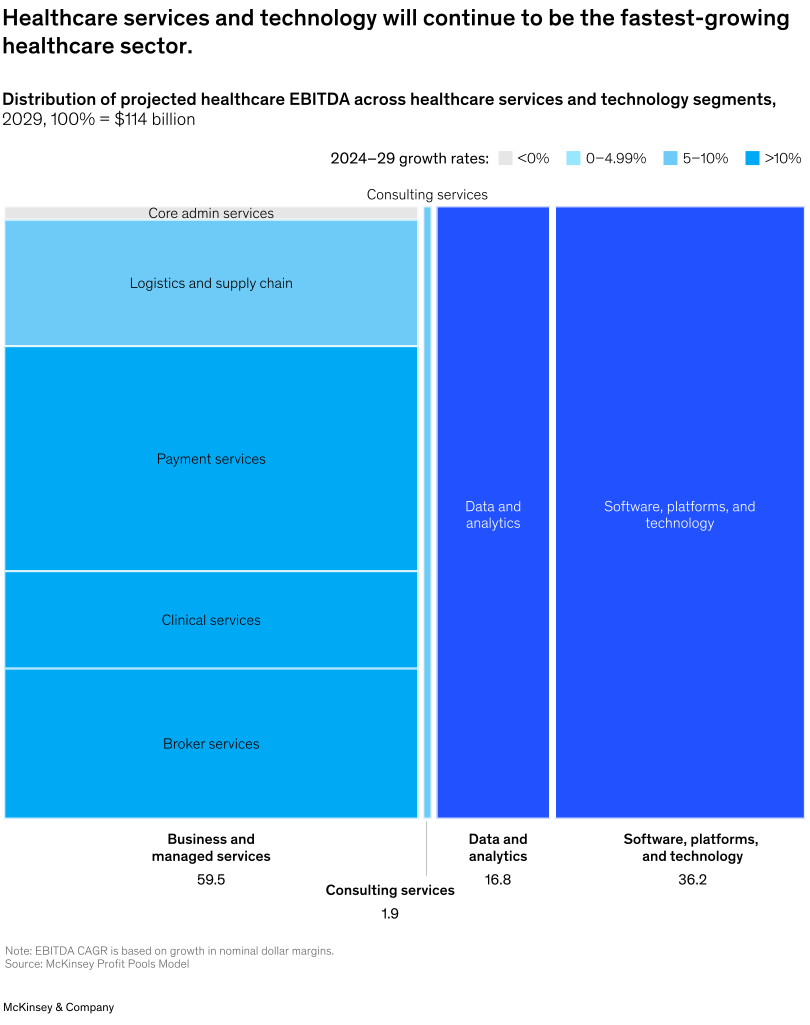
The top 25 HST players are estimated to represent 29 percent of total HST revenue pools, up from 20 percent in 2019. A mix of M&A and organic growth of top players’ core and acquired assets has driven the increase. Strategic owners, such as payers and providers, have invested in HST to reduce revenue leakage and participate in more areas of the healthcare value chain, including clearinghouses, utilization management, and revenue cycle management. Strategic owners have the scale to capture insights from discrete data points, accelerate capability development of subscale players, and create solutions more tailored to their unique use cases. The cumulative impact of these investments is expected to continue to spur HST M&A among scaled providers and payers.
Despite consolidation, leading HST players still face pressure from innovators. While total HST venture capital deal volumes have not returned to peak 2021–22 values, the sector is still active, with more than $11 billion of annual investment in both 2023 and 2024. Investment activity accelerated in 2025, with $11.9 billion of venture capital investment as of the third quarter of 2025. The promise of gen AI solutions suggests investment activity in HST will remain strong.6 This continued investment and innovation will be a key driver in HST segment growth through 2030. HST vendors are likely the players best positioned to enable widespread adoption of innovative solutions across the healthcare ecosystem.
Four factors account for the anticipated growth in HST. First, as noted, increasing adoption of gen AI is expected to drive value creation, especially for workflow-heavy solutions (for example, ambient scribing for physicians) and scaled platforms that integrate point solutions (for example, AI-enabled claims management). Second, because payers and providers face ongoing EBITDA margin pressure, they will continue to outsource operations in search of efficiencies (for example, revenue cycle management and logistics and supply chain services). Third, there is an ongoing shift in value pools from services to technology and software platforms, with increasing demand for AI-based solutions to streamline processes and generate insights across vast data sources (for example, identifying clinical discrepancies and risk factors by synthesizing data from multiple providers and care settings). Last, ongoing consolidation of large HST players, especially those owned by providers or payers, could create value through greater scale and increased access to innovative solutions.
The increasing role of gen AI
Gen AI is shaping up to be one of the most disruptive innovations in healthcare technology in recent years. Unlike many prior healthcare technology innovations, healthcare organizations are showing a greater interest in and faster adoption of gen AI–powered solutions. As of 2024, some 85 percent of healthcare organizations that we surveyed are pursuing gen AI initiatives or have already implemented solutions.7 Among respondents implementing gen AI, 61 percent intend to partner with vendors to develop customized solutions, creating an opportunity for HST players to meet their needs.
There are already concrete examples of payers and providers adopting gen AI solutions from vendors that have passed the pilot phase and reached full implementation, such as ambient AI medical scribing. This innovation—which began appearing in the late 2010s through several venture-backed start-ups and incumbent technology players—is already seeing rapid adoption. We estimate 10 percent or more of US physicians have adopted ambient scribing solutions, based on our survey of 184 provider purchasing decision-makers8 and publicly reported deployment figures from large health systems9 and several ambient scribing players.10 Adoption of gen AI is expected to create outsized value in workflow-heavy point-solution areas where automation and predictive capabilities can generate measurable savings (for example, in administrative efficiency, clinical productivity, and patient engagement). In parallel, this will contribute to the continued shift of value pools from services to technology as manual workflows become automated and the need for outsourced services to fulfill legacy workflows is reduced.
Policy changes affecting HST
A section of the OBBBA, the Rural Health Transformation Program, will allocate $50 billion to states over five fiscal years with multiple approved use cases tied to technology to boost efficiency, enhance cybersecurity, and improve patient health outcomes (for example, through interoperable electronic health records, telehealth services, and AI tools).11 HST companies are well positioned to help states and rural health providers implement these innovative technologies. The policy changes also may accelerate a shift in value pools within the HST segment toward software platforms and tech-enabled services companies based on use case funding eligibility and the value proposition of those players capable of supporting providers and patients working and living in rural areas.
Additionally, patient enrollment and utilization shifts that could result from recent regulatory policies may affect the ability and willingness of providers and payers to outsource services to HST players.
If providers and payers see margin pressures increase, they may ask for discounts or decrease the scope or utilization of noncritical HST services. Ultimately, providers and payers are likely to raise the bar for outsourcing, but HST players that can demonstrate clear return on investment may see even further demand for their solutions.
Pharmacy services: Navigating transformation
The US pharmacy sector is undergoing a profound transformation. One major factor is the rapid rise in drug spending, especially for innovative therapies and biologics. Overall spending increased by 11 percent in 2024 (Exhibit 8); GLP-1 therapies accounted for half the increase. US gross drug spending is expected reach $990 billion a year by 2029, increasing at 8 percent annually.12
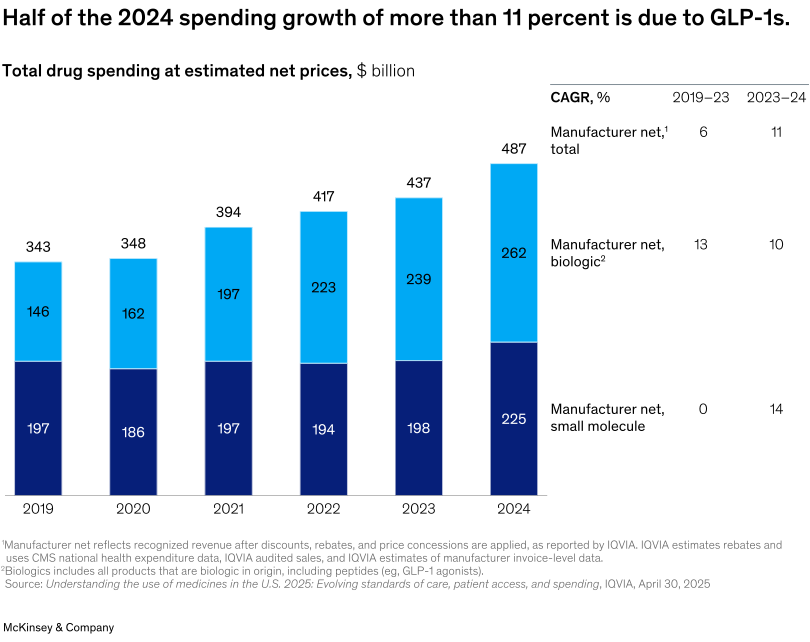
We estimate EBITDA will grow at an annual rate of 6 percent from 2024 to 2029, reaching $114 billion by 2029. During this period, the ambulatory infusion and hospital specialty pharmacy segments are expected to be the fastest-growing areas, expanding at annual rates of 9 percent and 21 percent, respectively (Exhibit 9).
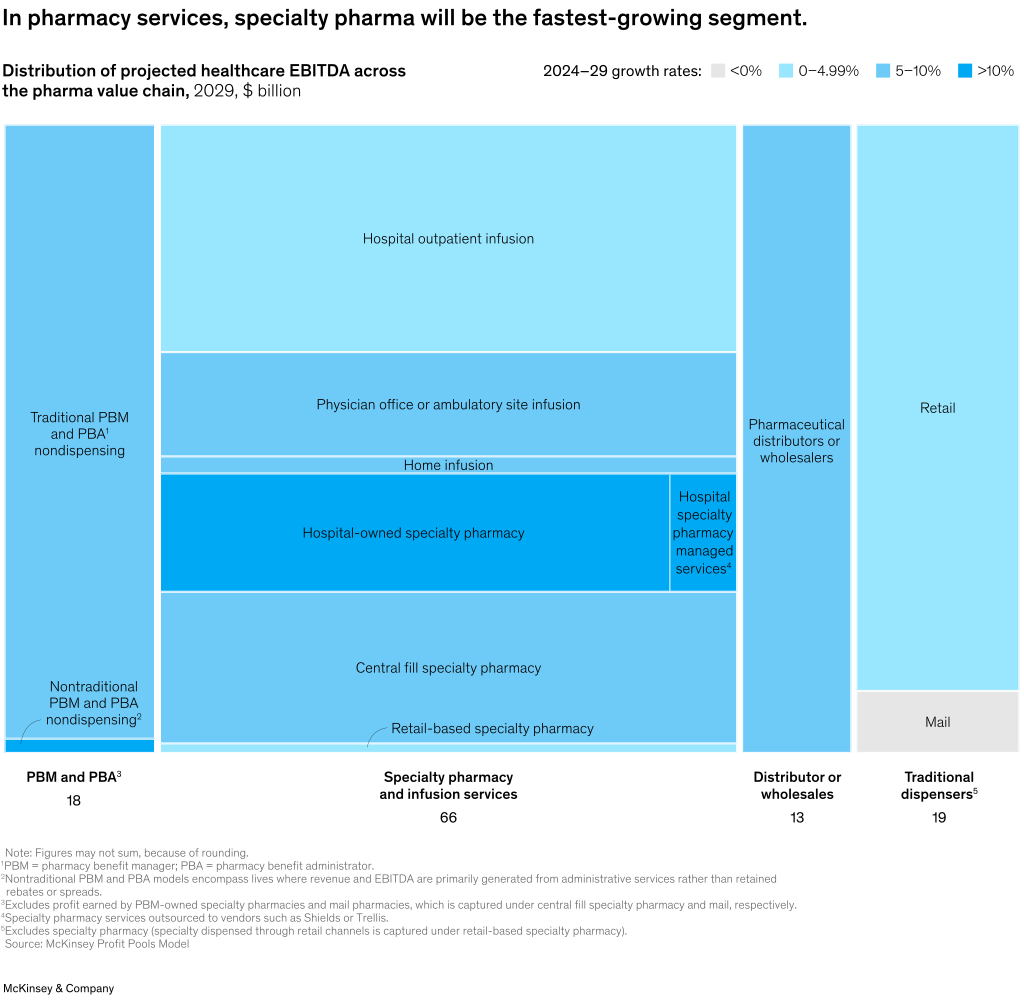
Regulatory and policy changes are affecting the pharmacy value chain. At the federal level, measures such as Section 232 tariffs, most-favored nation prescription drug pricing, and the Federal Trade Commission’s scrutiny of prescription drugs could influence global launch and pricing strategies for manufacturers and increase import costs. In addition, states are enacting measures to enhance price transparency, prohibit certain rebates, and regulate network inclusion requirements.
The competitive landscape for prescriptions is intensifying, particularly between vertically integrated and independent pharmacies. Discounts through the 340B Drug Pricing Program grew 11 percent annually between 2020 and 2024 and have increased competition for prescriptions between providers and payers and pharmacy benefit managers. There is also a growing preference for ambulatory and home settings over hospital outpatient departments for complex infusions. Further, the rise of direct-to-consumer models supported by pharmaceutical companies is accelerating, intensifying competition and altering drug distribution and patient engagement dynamics.
Innovation in pricing models, such as cost-plus models, aims to enhance transparency in drug costs and reimbursement, reduce payment variations, and foster a more competitive environment among different pharmacy formats. These models align pharmacies to a common pricing index, potentially establishing a baseline for reimbursement and improving the overall sustainability of pharmacy operations.
In conclusion, the US pharmacy sector is at a critical juncture, driven by substantial growth in drug spending, regulatory changes, and competitive pressures. The industry’s ability to adapt through innovative pricing models, increased transparency, and strategic partnerships will be crucial for success.
The US healthcare industry is navigating a period of profound transformation, marked by persistent financial pressures, regulatory shifts, and a changing care-delivery landscape. Payers and providers face substantial headwinds, but growth opportunities are emerging in HST, specialty pharmacy, and new care models. Resilience will depend on a sectorwide commitment to operational efficiency, technology adoption, and adaptive strategies. Organizations that innovate and collaborate across the value chain will be best positioned to capture value as the industry evolves.