At a glance
- The world faces a choice: By 2050, the average person could spend three more years in poor health than in 2000 or gain nearly a decade of healthy life if society scales access to proven, cost-effective interventions.
- Nearly two-thirds of this impact would come from preventive interventions. Today, most countries spend less than 2 percent of their health budgets on prevention.
- Scaling proven interventions could create $12.5 trillion in annual economic value by 2050, equal to about 7 percent of global GDP, with an estimated fourfold return on investment.
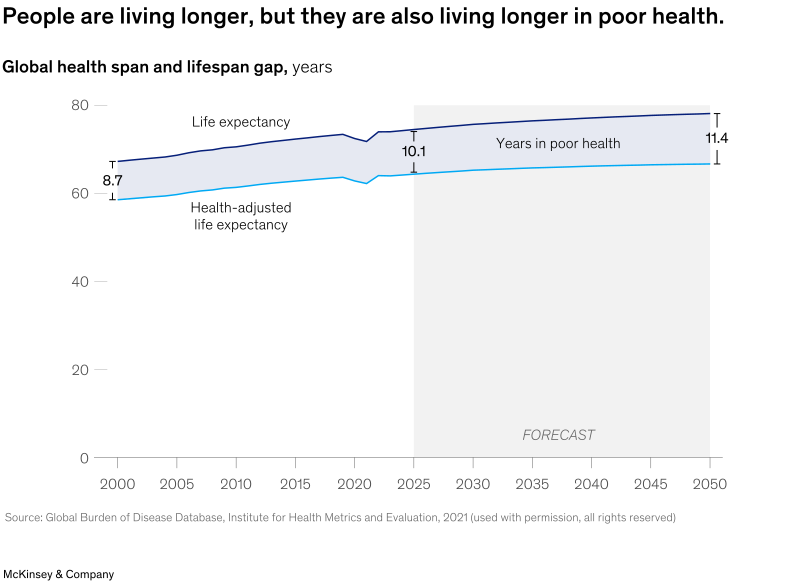
Public health advances over the past century have driven remarkable gains in human longevity. Global life expectancy has risen sharply due to breakthroughs in communicable disease control, maternal and child health, and widespread adoption of interventions such as vaccination, antibiotics, improved sanitation, and primary care. By 2050, an individual is expected to live to 78 years, on average, an 11-year increase over the prior 50 years. Yet, longer lifespans do not necessarily translate into healthier lives. Although people are living longer, they are also spending more of those years in poor health. The average time lived with illness has increased from about 8.7 years in 2000 to 10.2 years in 2025 and is projected to reach 11.4 years by 2050. The demographic shift toward older populations, combined with a rising prevalence of noncommunicable diseases (NCDs) such as cardiovascular disease, diabetes, cancer, and mental health conditions, means more people will be managing chronic illnesses for longer.
The combination of aging populations and increasing chronic disease prevalence is straining economies and health systems worldwide. As highlighted in the 2025 McKinsey Global Institute report, “Dependency and depopulation? Confronting the consequences of a new demographic reality,” the demographic shift toward more older individuals and fewer working-age people is poised to slow the growth of total hours worked, ultimately dampening GDP per capita growth if left unaddressed.1
At the same time, fiscal pressures are deepening the challenge. Healthcare budgets in many countries are being squeezed by competing demands, including rising defense expenditures, higher debt-servicing costs, and declining development aid. Debt servicing now exceeds healthcare spending in almost 62 countries, limiting their capacity to invest in health systems and preventive care.2 In 2024, official developmental assistance fell by 9 percent,3 and preliminary estimates suggest that 2025 levels were the lowest in more than 15 years.4 While some middle-income countries may offset these gaps with domestic resources, many low-income nations, particularly in sub-Saharan Africa, lack the fiscal space to do so. Hard-won gains in communicable disease control are therefore at risk of reversal.
This trajectory is not inevitable. By scaling timely access to proven cost-effective health interventions, societies can “bend the curve” of the burden of disease, averting 35 percent of the total burden in 2050, avoiding 33 million premature deaths, and more than 461 million years of poor health (see sidebar “Definitions”). This translates into roughly 18 additional healthy days per person each year. Nearly two-thirds of this impact would come from prevention, yet countries allocate, on average, less than 2 percent of health spending to preventive care. Regardless of the country, those additional days offer benefits beyond productive work: it’s additional time with friends and family, to pursue accomplishments, build a community, or simply live without cognitive or physical impairment.
The economic case for investing in health is equally compelling. Improving access to proven, cost-effective interventions could boost global GDP by an additional $12.5 trillion annually by 2050, equivalent to about 7 percent of global output, yielding a global economic return on investment of about four to one.
Why isn’t this happening already? Persistent barriers such as short-termism, siloed systems, and institutional inertia make it more challenging to prioritize the actions and investments needed for health. However, three actions can help overcome these barriers to make this healthier future a reality. Funders can align incentives to reward long-term investment in prevention. Stakeholders beyond healthcare, both in the public and private sectors, can play a role in unleashing multisectoral action to propel progress in health and beyond. And health systems can generate more health per dollar by pairing investment with better cost management. By doing this, health could become a powerful driver of both societal and economic progress.
The current path: How demographic and disease burden shifts are shaping global health
Over the past 25 years, the global demographic landscape has experienced profound changes, characterized by aging populations, rapid urbanization, and evolving lifestyle patterns. These demographic shifts have been closely linked to a transition in the global disease burden, with a decline in infectious diseases such as HIV/AIDS, tuberculosis, and malaria, and a concurrent rise in NCDs such as cardiovascular diseases, diabetes, mental disorders, and cancers. This section explores the key demographic and disease burden transitions, the underlying drivers of these changes, and their implications for health systems, economies, and societies worldwide.
Demographic shifts, 2000–50
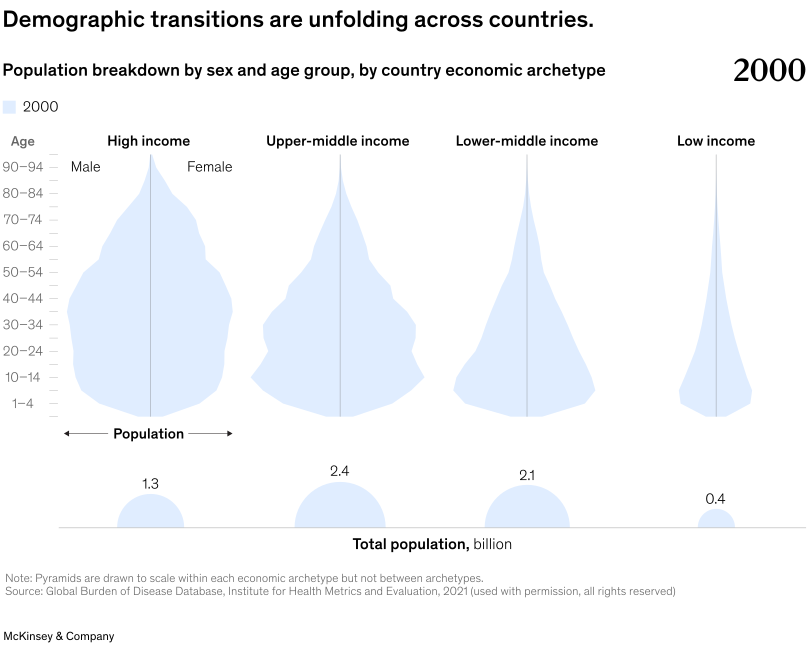
In 2000, much of the world stood in earlier stages of the demographic transition, marked by higher fertility rates, younger populations, and lower life expectancy compared with today.
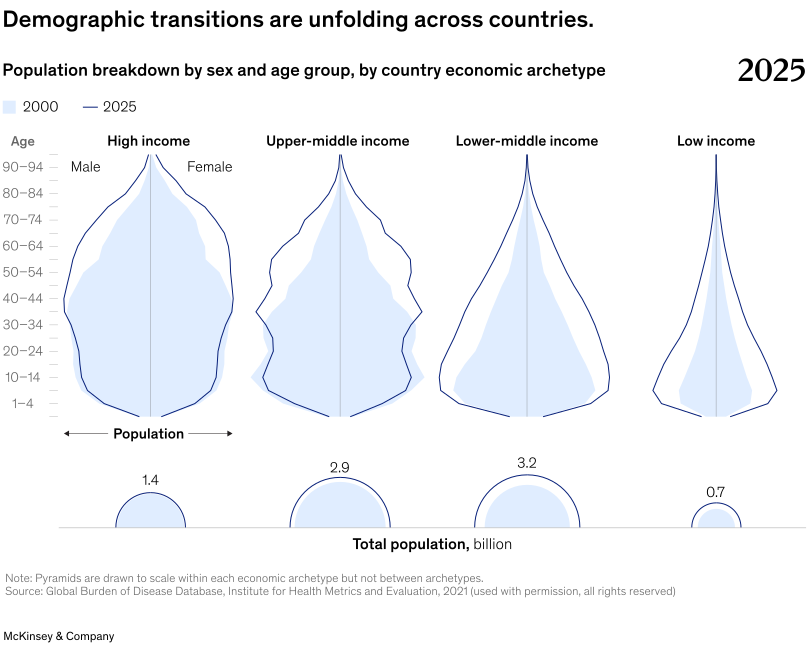
Over the past 25 years, the world has undergone profound demographic shifts. Populations are aging globally, particularly in high- and upper-middle-income countries. Life expectancy has risen steadily worldwide, while fertility rates are declining, having fallen to 2.2 by 2024.5 In high- and upper-middle-income countries, these trends have led to slower population growth, a shrinking younger generation, and an increasing share of people over age 65, all contributing to a decreasing support ratio, defined as the number of working-age individuals (typically aged 15–64) per person aged 65 and older. Younger people could face increasing pressure to generate incomes for their own families while caring longer for their elders. For countries, these demographic shifts are placing growing pressure on health systems, labor markets, and social protection programs.
In contrast, low- and lower-middle-income countries tend to have younger populations. Many are entering a period where large cohorts of youth are transitioning into the workforce, creating a time-bound opportunity for a “demographic dividend” to boost economic growth, but only if health, education, and employment systems are strong enough to support and fully engage these populations.
Over the next 25 years, these demographic shifts are projected to continue and become more pronounced. A steadily aging global population is expected to lead to a transformation in the composition and distribution of the working-age population. By 2050, the workforce in high-income and upper-middle-income countries is projected to shrink by 5 to 7 percent, while it is expected to grow by 9 to 12 percent in low- and lower-middle-income countries. This shift, combined with continued population growth in low-income (LICs) and low-and-middle-income countries (LMICs), will reshape global health needs. As a result, disease burden will evolve differently across income archetypes, with aging and chronic conditions dominating in wealthier countries, while many LMICs contend with a dual burden of infectious diseases and rising NCDs.
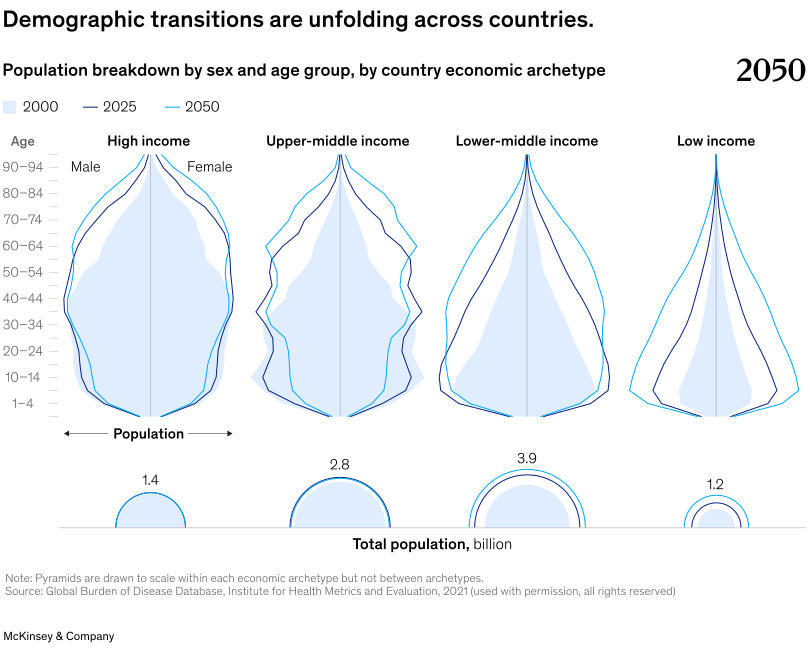
In addition to national demographic shifts, population distribution within countries is also changing. Rapid urbanization and increased mobility have transformed where and how people live. More than 55 percent of the global population resides in urban areas, with that share projected to rise to 68 percent by 2050.6 This urban growth is altering patterns of disease exposure, placing increasing strain on infrastructure and services, and reshaping both the public health landscape and broader economic systems. This shift also presents an opportunity to design healthy cities that can provide rapid access to high-quality services with economies of scale and create built environments that promote and support healthy behaviors and choices. At the same time, many rural areas face contrasting challenges—such as population decline, limited access to healthcare and digital infrastructure, and shortages of skilled health workers—which risk deepening health inequities between urban and rural populations.
Disease burden shifts, 2000–50
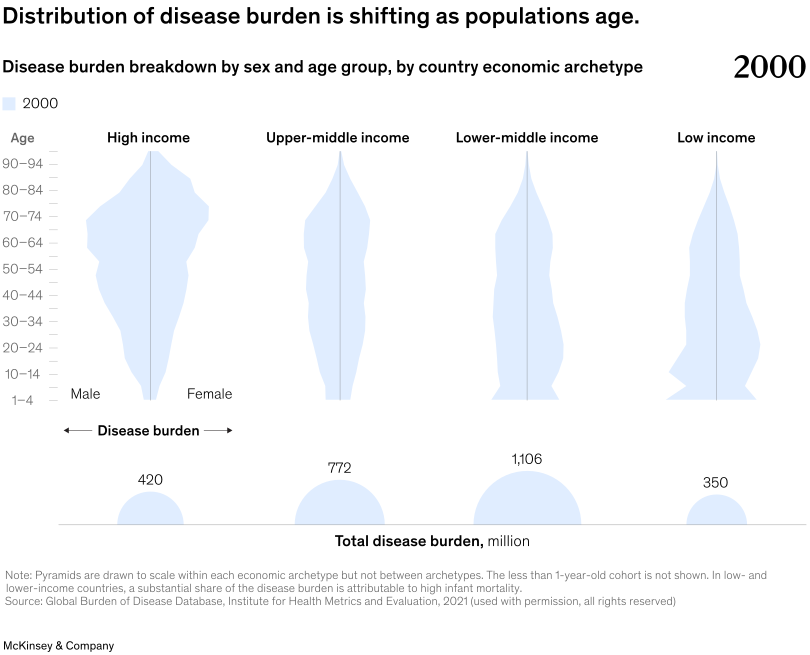
Twenty-five years ago, the global disease burden was more concentrated in younger age groups, particularly in middle- and low-income countries.
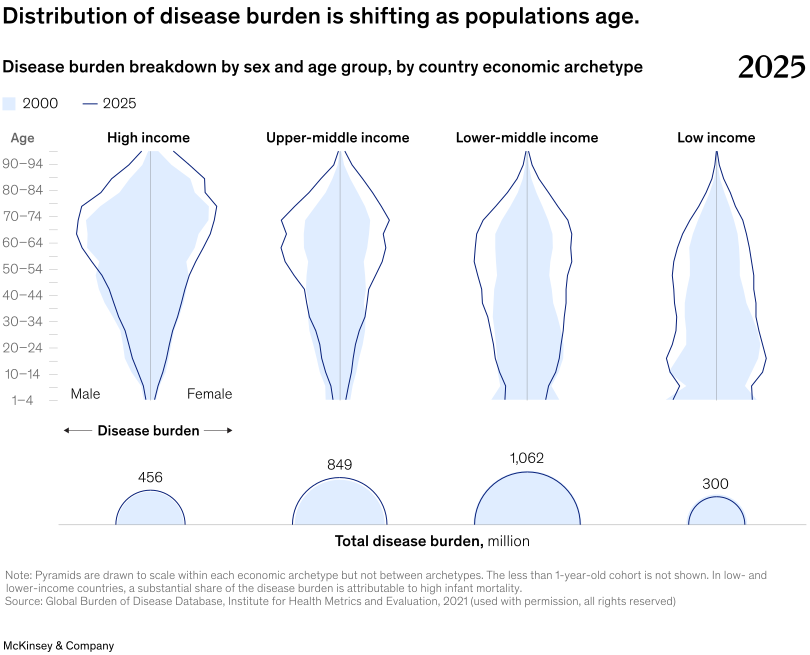
Since 2000, the global disease burden per capita has declined by 24 percent, driven largely by progress in combating infectious diseases and improving maternal and child health. Key initiatives include vaccination programs,7 the scale-up of HIV prevention tools such as PrEP,8 and expanded access to viral hepatitis treatment.9 These and other efforts have helped prevent millions of deaths and improved health outcomes, particularly in low-middle- and low-income countries, where the disease burden per capita declined by 36 percent and 54 percent, respectively.
At present, the global disease burden is continuing to shift from communicable diseases to NCDs, underscoring an ongoing epidemiological transition. In 2025, NCDs are expected to account for 76 percent of all global deaths and 82 percent of total years lived in poor health, as opposed to 63 percent and 77 percent, respectively, in 2000. This shift is driven by both public health gains in controlling infectious diseases and broader sociodemographic changes. Changes in lifestyle and behavior, such as rapid urbanization and evolving dietary and physical activity patterns, have fueled the rise of NCDs such as diabetes, cardiovascular disease, and cancer.10 Today’s challenge lies in sustaining infectious disease control while expanding capacity to prevent and manage chronic conditions.
Moreover, significant sex differences in disease burden also persist. Women live about five years longer than men on average,11 but spend 25 percent more years in poor health than men do.12 Men bear a higher burden from diseases driven by years of life lost, such as cardiovascular diseases and cancers, while women face greater burdens from diseases driven by years lived with disability, such as musculoskeletal and mental disorders (see sidebar “Closing sex-based health gaps”). These differences in burden patterns highlight the importance of considering sex-based differences in addressing this burden.
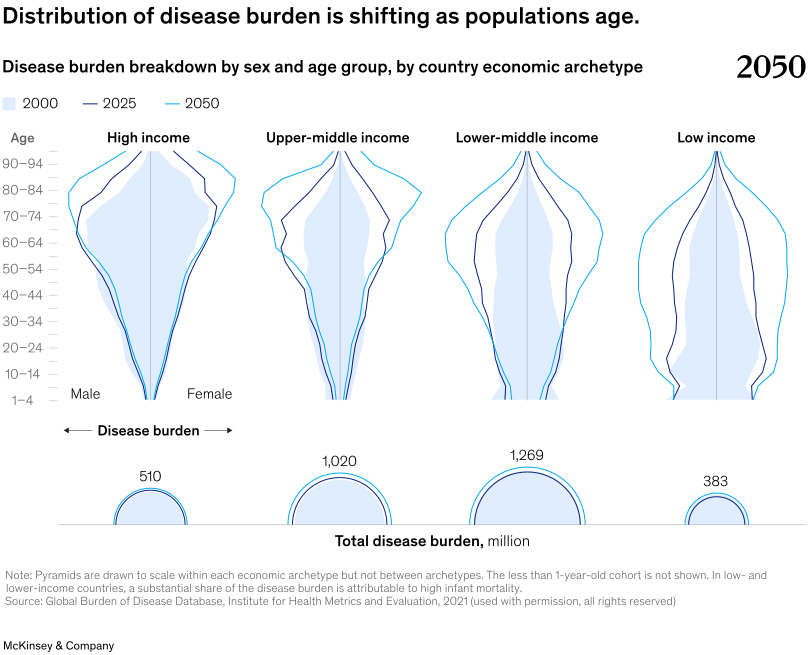
According to disease burden projections by the Institute for Health Metrics and Evaluation (IHME), these trends are expected to persist in the future, with longer lifespans and the predominance of chronic conditions, continuing to shift most of the burden toward older age groups.
This growing burden places increasing strain on health systems, particularly those not historically equipped to manage chronic conditions at scale, and underscores the need for health systems to move beyond a focus only on mortality reduction and instead invest in strategies that promote healthy aging, functional ability, and support for those living with chronic conditions. As demand for long-term and chronic care rises, the role of the care economy becomes increasingly critical, both in providing direct support to older populations and in enabling labor force participation among younger people through accessible and reliable caregiving.
What the growing disease burden means for global health
The world’s population is projected to grow from 8.1 billion in 2025 to 9.3 billion by 2050, and with more people comes a higher absolute burden of disease. But population growth is only part of the story. The world is also aging rapidly: The number of people over 65, the group that already accounts for the majority of healthcare spending, will nearly double from 862.0 million to 1.6 billion.
This demographic shift will sharply increase the prevalence of NCDs such as cardiovascular disease, cancer, and neurological disorders. Between 2025 and 2050, the total global disease burden is expected to rise by 19 percent, driven largely by years lived in poor health. While population growth will contribute to the overall increase in disease burden, a per capita perspective reveals a key turning point: Global disease burden per capita declined by approximately 24 percent over the past 25 years but is projected to increase by about 4 percent over the next 25 years, marking a shift in recent health gain trends.
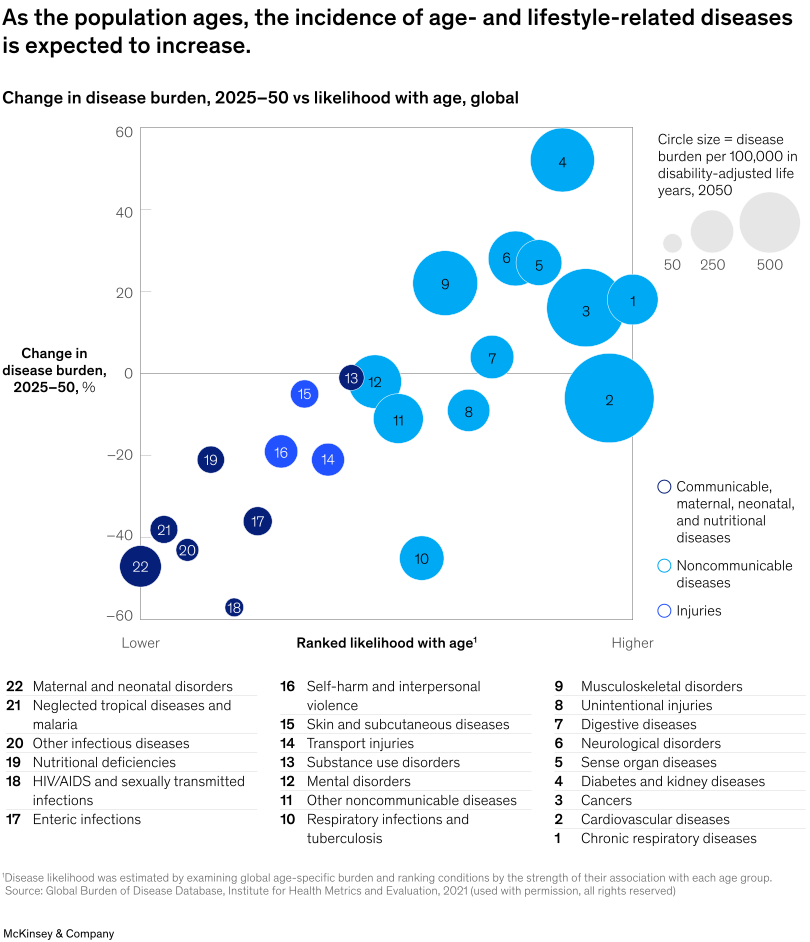
To put this into perspective, by 2050, the world will face an additional 500 million DALYs, the equivalent of adding 1.5 billion people’s worth of healthcare demand, while the actual population rises by only 1.2 billion. The difference, 334 million people’s worth of demand, is like adding the entire healthcare demand of another United States.
Unsurprisingly, this rising burden will translate into soaring costs. Global healthcare spending is projected to climb from $11.2 trillion today to $20.5 trillion in 2050, rising from 10 percent to 11 percent of global GDP.13 That additional $10 trillion is almost double the size of today’s entire global tech industry.14
At the same time, the economic toll of poor health will deepen. Lost productivity and reduced labor force participation are expected to increase from 17 percent to 23 percent of global GDP. This double bind—higher costs and a shrinking workforce to pay them—poses a major threat to economic growth.
Against this backdrop, investing in health is not just a moral action. It is an economic necessity.
Charting a new path: The impact of scaling proven health interventions
To evaluate the transformative potential of health investments, McKinsey Health Institute (MHI) examined approximately 300 known, evidence-based, cost-effective interventions drawn from systematic reviews and clinical practice guidelines. These interventions span across 90 diseases and 27 risk factors, encompassing about 85 percent of the global disease burden. These interventions represent the achievable impact based on today’s evidence, prior to any additional benefits from future innovations. Using this robust foundation, the incremental health impacts of scaling access to these proven interventions to an aspirational best-practice adoption level were modeled for each country (see sidebars “Methodology” and “Intervention adoption assumptions”).
Our analysis shows that by 2050, scaling these interventions globally could reduce total disease burden by 35 percent, preventing 33 million premature deaths and averting more than 461 million years lived with disability annually. This represents a significant bending of the global disease burden curve, decreasing premature mortality and enhancing quality of life across diverse populations.
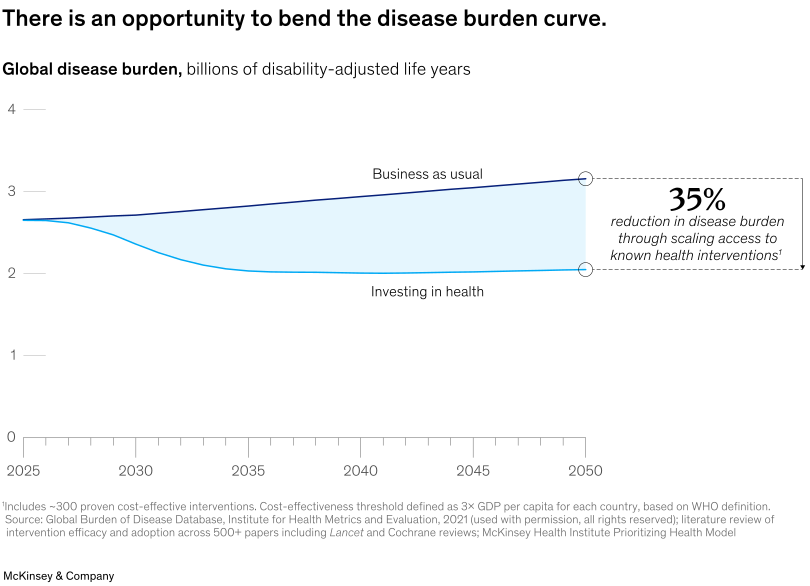
The impact of scaling proven health interventions varies across income groups, reflecting differences in disease burden mix and gaps between current and aspirational best-practice intervention adoption rates, resulting in a health impact of 33 percent among higher-income countries and 38 percent among lower-income countries.15
While this analysis considers the impact of sustained investments over decades, it is important to recognize that some health interventions can yield benefits far more quickly. For example, universal access to safe drinking water could save an estimated three million lives every year, and light physical exercise can lower the risk of a repeat cardiac event by 50 percent within a year, illustrating how targeted health investments can deliver immediate and profound health benefits.16
Health impact, by condition
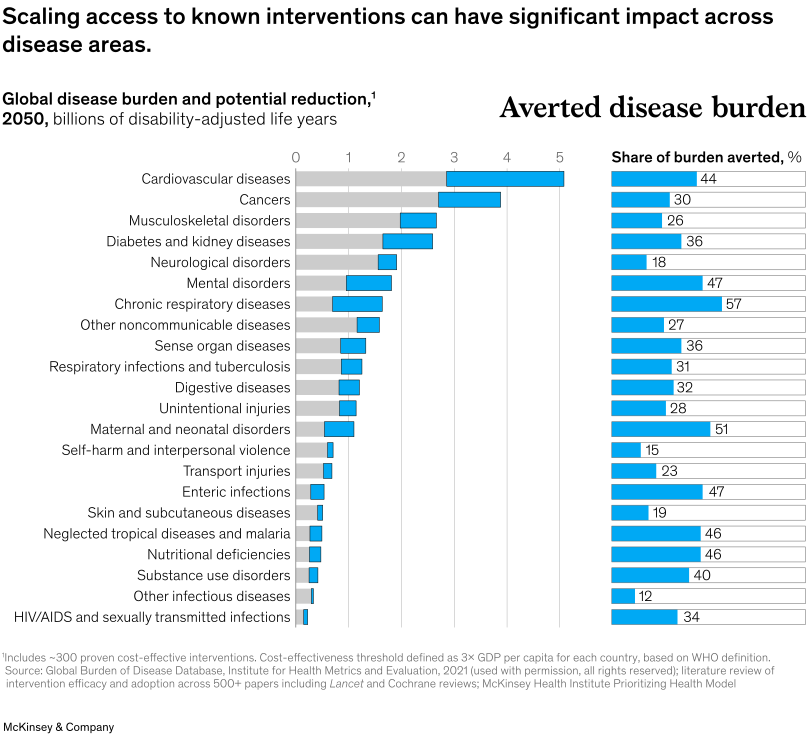
The impact of scaling proven health interventions differs across condition groups, shaped by disease burden, treatment availability, efficacy, and the gap between current practice and best-practice standards. Tackling metabolic and behavioral risks, combined with new medications, presents the strongest opportunities to reduce the growing NCD burden. Within NCDs, chronic respiratory diseases, mental disorders, and cardiovascular conditions offer the greatest potential for impact (see sidebars “Metabolic health deep dive” and “Brain health deep dive”). Among communicable diseases, maternal and neonatal disorders, enteric infections, and nutritional deficiencies represent the areas of highest impact, particularly in low-income settings.
Despite advances in medical innovation, many interventions only partially mitigate conditions—by slowing progression (for example, diabetes management) or reducing onset risk (for example, hypertension control)—rather than offering cures. This leaves meaningful scope for breakthrough innovations and new treatments in areas such as neurodegenerative diseases, cancers with poor survival rates, advanced cardiovascular disease, and rare genetic or autoimmune disorders, where effective disease-modifying therapies remain limited.
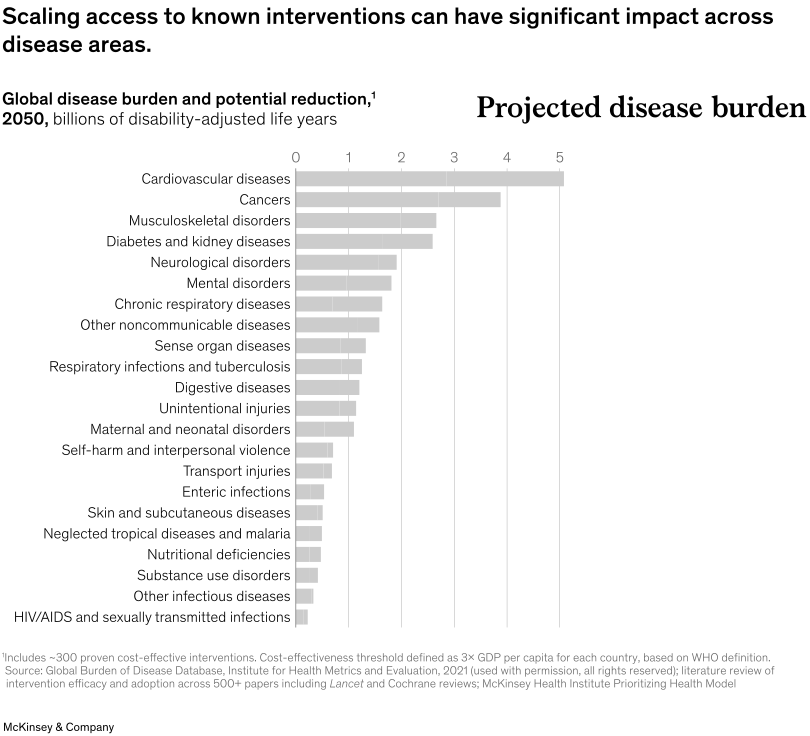
Cardiovascular disease (for example, stroke or heart failure), cancers, and musculoskeletal disorders (for example, osteoarthritis or herniated discs) will lead in disease burden in 2050.
More than half the disease burden for chronic respiratory diseases, such as asthma, and maternal and neonatal disorders, such as preterm birth, could be averted through interventions.
Designing scalable impact: Intervention types and delivery settings
Realizing the full potential of scaling proven health interventions requires thoughtful consideration of the types of interventions, the settings in which they are delivered, and the key enablers that ensure effective and sustained scale-up.
Types of interventions
Health interventions can be broadly categorized into three types:
- Population-level prevention focuses on reducing health-related risks through broad measures that shape the physical and social environment or influence community behaviors, often through policy and regulation changes (for example, air quality controls, tobacco controls).
- Individual-level prevention and proactive care targets personal behavior change and health risk management at the individual level and is often delivered in clinical settings (for example, vaccines, smoking cessation support).
- Therapeutic interventions address health conditions after they have developed and aim to manage existing diseases (for example, cancer therapies, psychiatric medications).
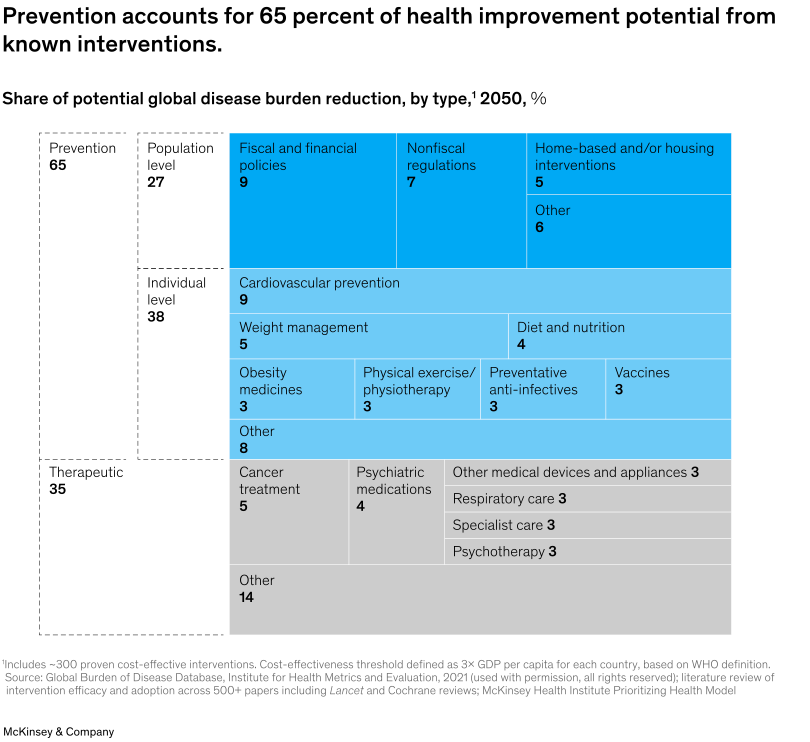
Prevention is a central pillar of overall health impact. Together, population-level and individual-level prevention strategies could propel 65 percent of the potential health impact. These prevention strategies are particularly effective because they can influence multiple health outcomes simultaneously. For example, tobacco control not only reduces the incidence of lung cancer but also lowers the risk of cardiovascular disease, chronic respiratory conditions, and several other cancers.17 Similarly, vaccinations protect against a range of infectious diseases, often preventing outbreaks that could otherwise strain health systems. Improved nutrition supports immune function, reduces the risk of chronic diseases such as Type 2 diabetes and obesity, and promotes healthy development across the lifespan. Because of their broad, multifaceted benefits, most population-level prevention interventions tend to be highly cost-effective because they avoid disease altogether.
Individual behavioral and lifestyle choices also play a pivotal role in shaping health outcomes. Building healthy habits such as eating more fruits and vegetables, engaging in regular physical activity, and ensuring sufficient, high-quality sleep can substantially reduce the risk of chronic diseases, including cardiovascular conditions, diabetes, and certain cancers.18 However, achieving widespread adoption of these healthy behaviors requires supportive, population-level interventions that make the healthy choice the easier choice. This analysis, therefore, focuses on evidence-based strategies that promote and facilitate healthier behaviors, such as front-of-package nutrition labeling or subsidies for healthy foods. Together with preventive care and screening initiatives within the healthcare system, these interventions form a strong foundation for improving health.
Therapeutic interventions contribute the remaining 35 percent of health gains. They are essential for treating established conditions and improving outcomes for individuals with advanced disease. While more reactive in nature, they play a critical role in enhancing the quality of life and extending survival as seen in patients receiving cancer treatments.
While both prevention and treatment are essential, scaling prevention presents the greatest opportunity for broad and sustainable improvements in health.
Intervention delivery settings
Understanding the types of care and the settings in which health interventions can be delivered is essential for designing systems that are both efficient and scalable, as well as for identifying the most effective implementation pathways.
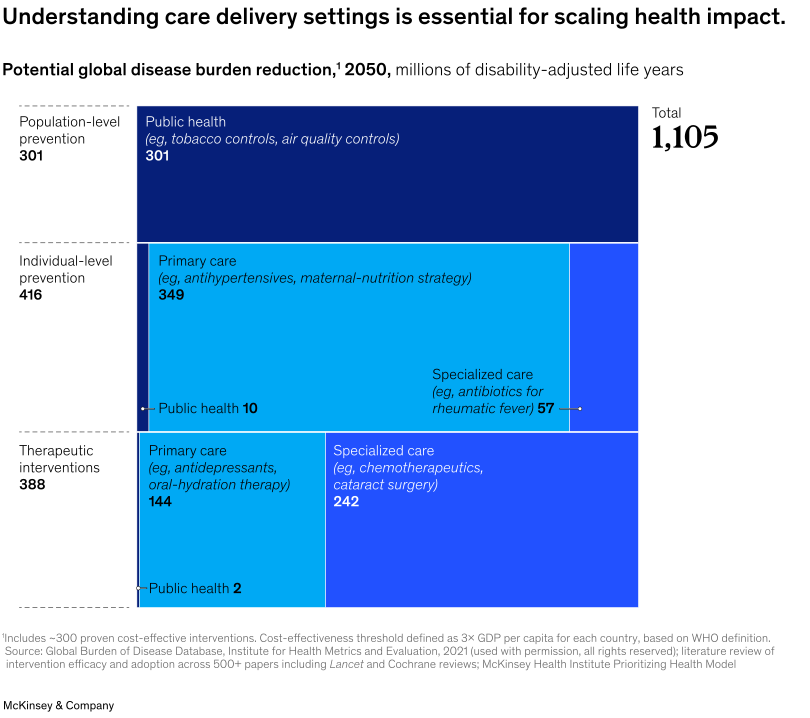
About three-quarters of the total potential health impact could be achieved by appropriately scaling interventions delivered in primary care settings (for example, anti-hypertensives, maternal-nutrition strategies) and in specialty care settings (for example, early detection and management of cancers, surgeries, pharmacotherapy). Although some interventions can be delivered across multiple settings, nearly all these interventions are primarily delivered within formal health system settings, suggesting that expanded implementation within health systems could play a critical role in improving global health outcomes. This also indicates a clear opportunity for health systems to improve how care is delivered—boosting patient outcomes while keeping costs contained.
Public health interventions, such as tobacco controls and household stove swaps, could account for the remaining quarter of the total potential impact. An estimated 95 percent of this impact can be achieved outside the formal health sector—in settings such as schools, workplaces, community organizations, and through public policy measures. These nontraditional delivery channels can offer substantial opportunities to improve health by engaging with sectors not typically associated with healthcare delivery. Their relevance can be particularly pronounced in lower-income countries, where formal healthcare infrastructure is more limited and community-based interventions can have an outsize effect.19
Realizing the full impact of scaled interventions depends as much on prevention and care delivery models as on the interventions themselves. Countries can reach similar health outcomes through distinct implementation models suited to their socio-economic realities, as illustrated by polio eradication efforts. India relied on intensive mass-vaccination campaigns, granular microplanning, and targeted community engagement to address scale, mobility, and mistrust.20 Egypt, by contrast, achieved elimination primarily through consistently high routine immunization embedded in its national health system, complemented by targeted campaigns and strong surveillance.21 This illustrates how adapting delivery models to the local context could be more effective for scaling than simply replicating solutions.
Implications for individuals: Improving lifespan and quality of life
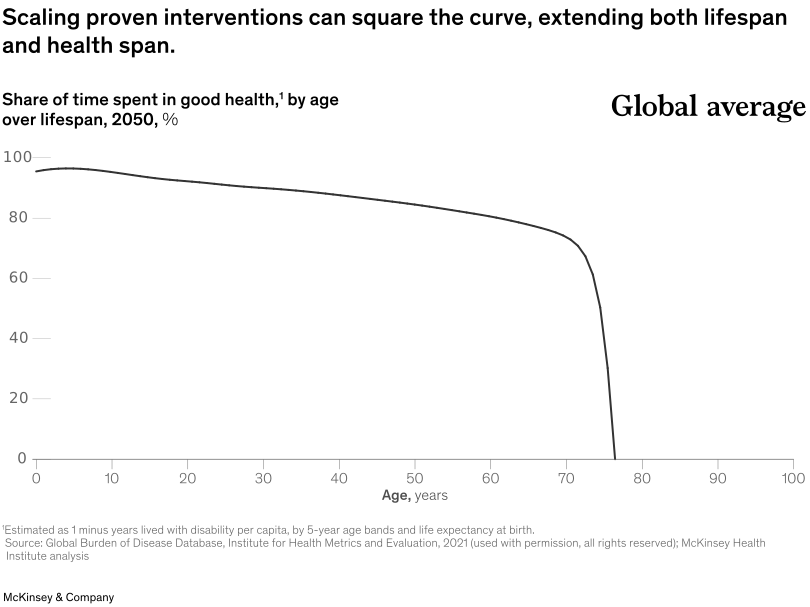
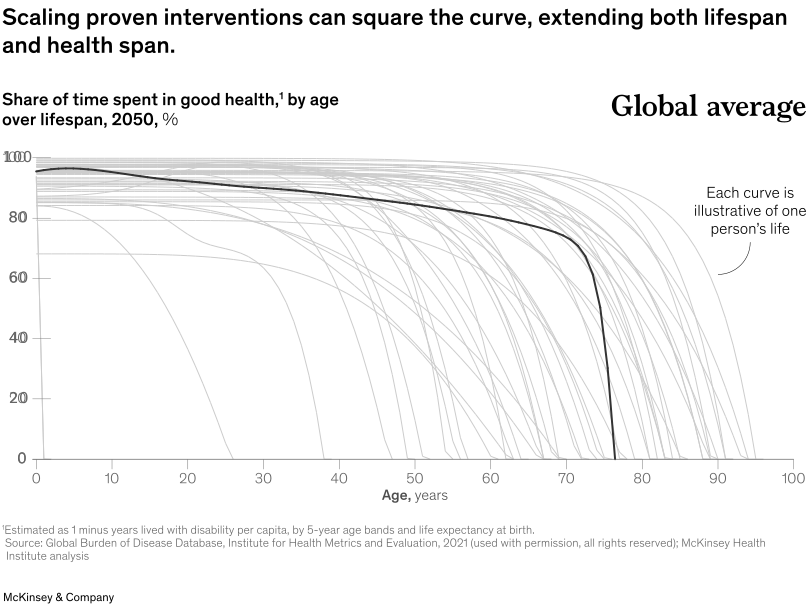
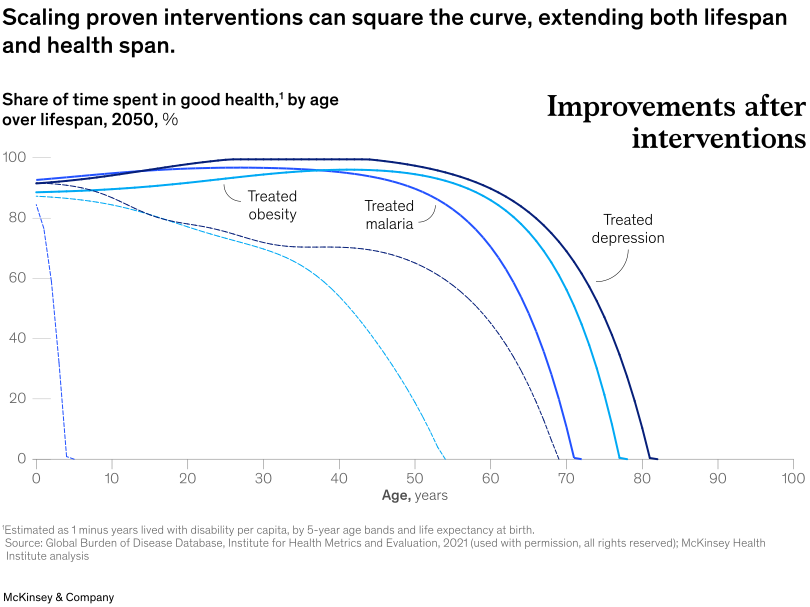
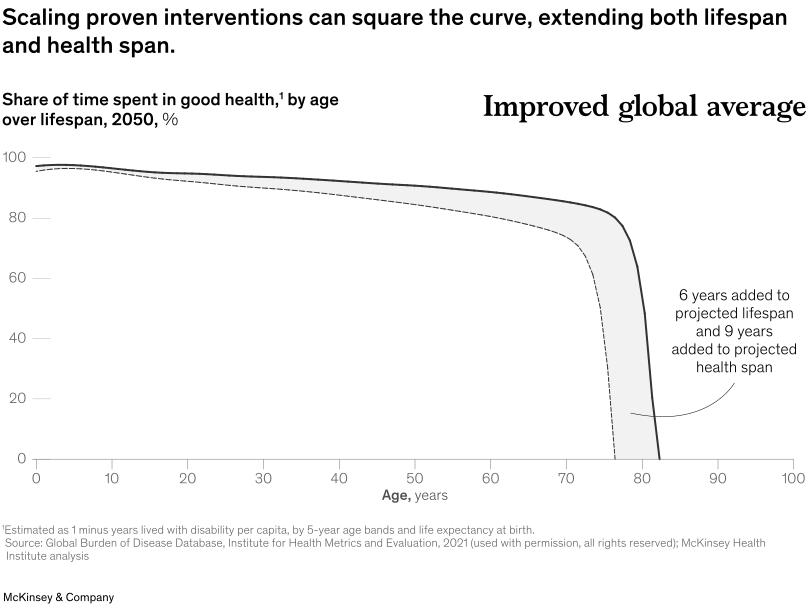
Scaling proven health interventions could substantially extend both lifespan and health span. By 2050, global life expectancy could rise by an average of six years, with some countries achieving even larger gains. More importantly, the average health-adjusted life expectancy, the years lived free from disabling illness, could increase an average by of nine years worldwide. These additional years of good health not only extend longevity but also enhance the quality of life throughout the entire lifespan, effectively “squaring the curve.”
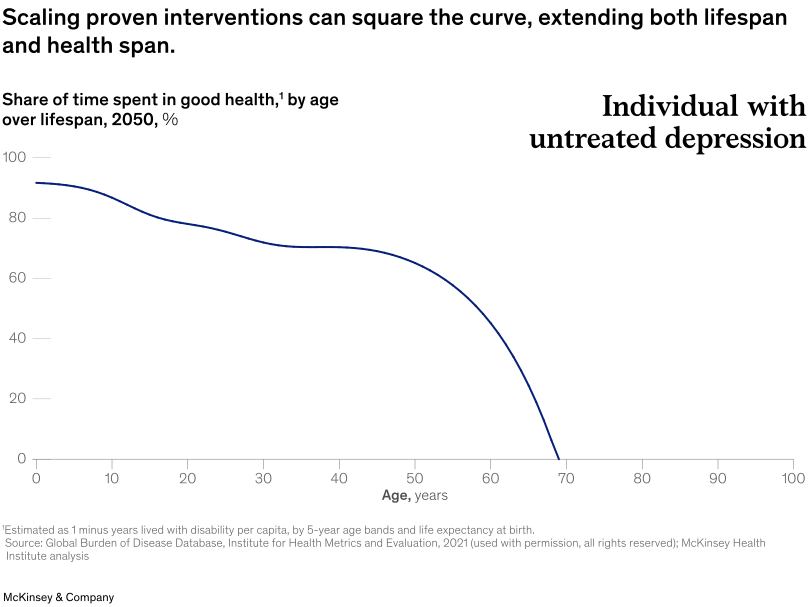
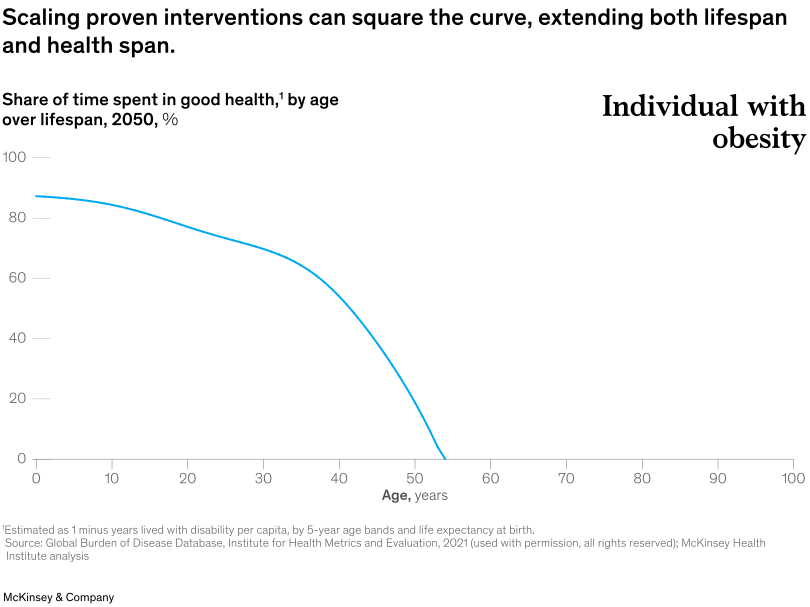
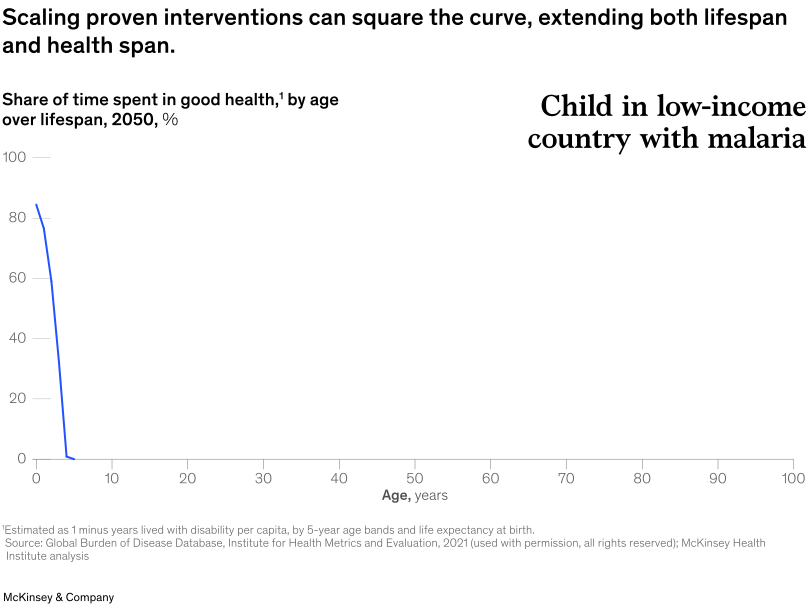
This chart shows the expected proportion of life spent in good health across the lifespan of an average individual in 2050, based on IHME’s disease burden and life expectancy projections.
The average health span curve reflects the lives of billions of people, each with their own unique health journey shaped by personal circumstances, choices, and conditions. This exhibit depicts illustrative examples of individuals experiencing poor health, showcasing their quality-of-life trajectories over the course of their lifespans.
For example, untreated depression in an individual could result in a significant drop in the percentage of time spent in good health throughout their lifespan.
For another individual, suffering from obesity could not only decrease the proportion of time spent in good health but also could lead to a premature death due to heart failure.
In a low-income country, a child’s life could be prematurely ended by malaria.
Expanding access to proven cost-effective interventions, such as psychotherapy, weight management programs, medications, and vaccines, could transform the lives of these individuals, allowing them to live longer, healthier lives. The exhibit illustrates how health span curves might change in these hypothetical scenarios.
Aggregating all individual experiences at a global-population level could result in lifting, extending, and squaring the health curve. This leads to more healthy days throughout life and increased life expectancy. On average, individuals could gain six years of life expectancy and nine more healthy years over their lifespan, equating to 18 additional healthy days each year.
Quality of life improvements are expected to be especially pronounced in low-income countries, where uptake and implementation of existing interventions are still expanding. In these settings, a healthy lifespan could increase by nearly 11 years, reflecting the opportunity to reduce both infectious and NCD burdens. Many conditions that are less common in higher-income settings, including infectious diseases such as malaria, HIV/AIDS, and diarrheal diseases, remain prevalent in many low-income countries. Scaling interventions in these areas can accelerate the closure of these gaps, delivering rapid and meaningful health gains while also laying the foundation for sustained progress against emerging health challenges. This dual burden presents a powerful case for targeted investment, which could yield substantial returns for both human well-being and economic growth.
Implications for the economy: How improved health drives economic outcomes
Improved health is not only a social good but also a powerful engine for economic development. Research has demonstrated a strong and reciprocal relationship between better health outcomes and enhanced economic performance.22 This relationship is bidirectional: While economic growth can lead to better health outcomes through improved living conditions and health services,23 health itself is a form of human capital that fuels economic development by enabling individuals to live longer, work more productively, and contribute more consistently to society.24
A healthier society leads to a more robust and resilient economy in many ways. To estimate the economic impact of better health, MHI focused its analysis on labor force effects, including enabling greater labor force participation and enhancing individual productivity, identifying six key levers through which better health drives economic gains.
Increased labor force participation involves the following:
- Fewer early deaths: Reducing premature mortality literally means a person stays alive for longer, allowing them to work, support their family, contribute to society, and live fuller lives.25
- Fewer health conditions: When chronic and acute diseases are prevented or effectively managed, people are more likely to be able to attend work consistently, reducing absenteeism. Enhanced health empowers them to participate more actively in economic activities, driving greater workforce efficiency and fostering sustained economic growth.26
- Expanded labor force participation from informal caregivers: In healthier populations, the need for informal caregiving, often provided by family members, significantly decreases.27 This reduction can give those caregivers—the majority of whom are women—more time, energy, and resources to pursue paid employment, education, or entrepreneurial activities. Beyond the economic benefits of an expanded labor force,28 this shift also yields important societal gains in promoting gender equity by alleviating the disproportionate caregiving burden on women and contributing to their economic empowerment.29
Enhanced productivity involves the following:
- Increased productivity from better health: Enhancing health has the potential to boost productivity by reducing presenteeism (reduced on-the-job performance due to illness) caused by chronic conditions such as musculoskeletal disorders (for example, osteoarthritis and lower-back pain) and mental disorders, including depressive and anxiety disorders, as well as substance use disorders.30
- Higher-future-earnings potential for children: Investments in early childhood health and nutrition and addressing adolescents’ mental health challenges can lead to better educational attainment, cognitive development, and social-emotional skills. These early advantages translate into higher employment rates and greater lifetime earnings.31
- Enhanced productivity of informal caregivers: Improved health reduces caregiving burdens, enabling former caregivers to participate more fully and productively in the workforce, no longer constrained by the physical and emotional demands of care.32
By quantitatively modeling the six economic levers linked to improved health, MHI estimates that enhancing global health could generate approximately 288 million additional full-time equivalent of work-years by 2050, more than twice the current United States’s labor force and equivalent a 4 percent increase in the current global labor force participation rate.33 This expansion in productive labor could add $12.5 trillion to global GDP, representing an increase of about 7 percent over baseline economic projections. Notably, the vast majority of this economic gain (about 85 percent) is driven by increased labor force participation.
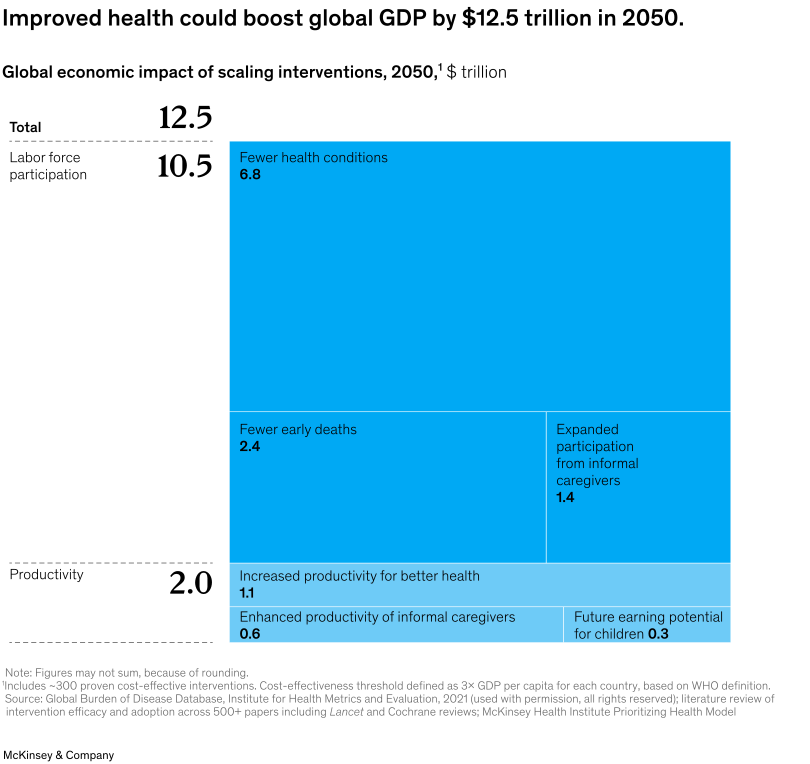
Achieving this level of global health improvement would require substantial investment estimated at approximately $3.3 trillion annually by 2050, representing about 16 percent of projected global healthcare spending in 2050 ($20.5 trillion). While this represents a meaningful commitment, the returns are equally substantial. Not all current health spending delivers commensurate health gains, and reallocating resources toward more effective interventions could substantially increase economic impact. For every dollar invested, an estimated $4 in economic benefit is generated by scaling cost-effective interventions, reflecting a fourfold return on investment.
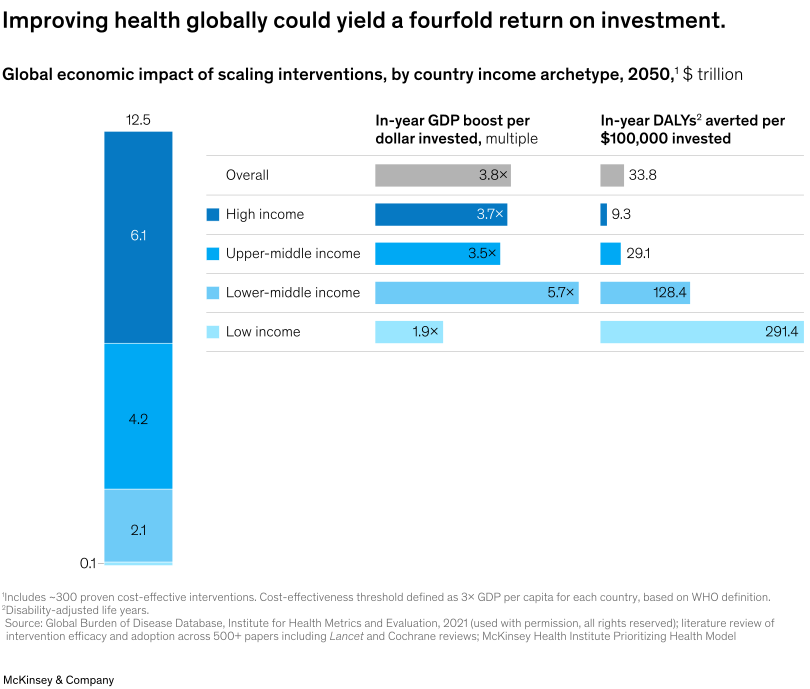
Higher-income countries account for a larger share of the absolute economic impact (82 percent) largely because they represent approximately 86 percent of global GDP. However, their economic ROI in health interventions is not disproportionately higher compared with other income groups. In fact, lower-middle-income countries are projected to achieve the highest return on investment, with an estimated sixfold return from implementing cost-effective health interventions. Low-income countries show the lowest return, at 1.9 times, which may reflect structural challenges such as limited health infrastructure and higher relative implementation costs. These factors can constrain the scalability and affordability of interventions, especially given the smaller economic base of these countries; however, targeted investments still present a significant opportunity for impactful health improvements and long-term economic growth.
The economic return on health investments is not uniform across all countries or interventions. Each country has a unique demographic, economic, and epidemiological profile that shapes which health challenges are most pressing and which solutions are most effective and affordable. For example, investing in newer obesity or chronic obstructive pulmonary disease medicines may generate substantial economic returns in high-income countries where health systems can absorb the high cost of these drugs. However, the same intervention may offer smaller economic returns in lower-income countries where the costs of such medications would be prohibitive.
It is important to note that this analysis is not intended to suggest that countries should avoid investing in interventions with lower economic returns. Many such interventions are essential for promoting equity and building long-term resilience, even if their immediate economic benefits are limited. Instead, the goal is to support evidence-based decision-making by offering a clearer understanding of the health and economic impacts of investments in health, enabling policymakers to allocate resources in ways that best address the diverse needs of their populations.
How to get started
Crucially, scaling cost-effective interventions does not require an all-or-nothing approach. By prioritizing a targeted set of high-impact actions, countries can capture a substantial share of the total economic and health benefits at a fraction of the total cost.
The WHO’s “Best Buys” provide a globally recognized set of interventions that are proven, cost-effective, and feasible across income levels. These include measures such as tobacco and alcohol taxation, hypertension control programs, salt and sugar reduction policies, vaccination campaigns, and early detection of noncommunicable diseases. Prioritizing these interventions can deliver 17 percent of the health benefits at a fraction of the cost ($242 billion or 7 percent) with a return of 6:1.
While the cost-effectiveness of interventions varies widely, our analysis highlights those that deliver the greatest impact per dollar spent, offering policymakers a practical framework to prioritize investments with the strongest combined health and economic returns in their national contexts.
Source: Global Burden of Disease Database, Institute for Health Metrics and Evaluation, 2021 (used with permission, all rights reserved); literature review of intervention efficacy and adoption across 500+ papers including Lancet and Cochrane reviews; McKinsey Health Institute Prioritizing Health Model
Many of the most valuable health investments are both affordable and widely available, yet they do not currently reach all who could benefit from them. For instance, the routine use of antihypertensive medications prevents costly complications such as stroke and heart disease, resulting in substantial long-term savings. Fiscal policies that discourage harmful behaviors, such as tobacco and alcohol use, also demonstrate particularly high economic and social returns. Tobacco taxation, for example, has a return on investment of 35 to 1, generating immediate fiscal revenue while reducing disease burden and mortality associated with tobacco use. Similarly, alcohol taxation delivers an estimated eight-to-one return, curbing harmful consumption while strengthening fiscal capacity for reinvestment in prevention and treatment.
These examples demonstrate how well-designed health investments can be fiscally self-reinforcing, producing near-term fiscal gains alongside long-term improvements in productivity and well-being. In the face of constrained budgets and difficult choices, embedding such interventions within broader health and economic strategies can enable governments to pursue strong economic returns while advancing population well-being and accelerating progress toward better health, increased economic resilience, and sustained growth.
How to accelerate a healthier future
This research builds on and strengthens the growing body of evidence that makes a clear and urgent case for investing in health as a driver of social and economic progress. Yet action lags behind evidence. Resources are finite, and decision-makers face constant trade-offs between urgent demands and longer-term investments whose benefits may not be immediately visible. As a result, high-value interventions remain underused, and much of health’s potential for economic and social progress goes untapped.
But knowing what to do is only the first step. How to implement a high-value set of interventions is often the harder part—but also one that we have made progress against in the past decade. Stakeholders now have a far better understanding of what it takes to create scaled change in healthcare delivery, powered by advances in data and technology. These tools, alongside burgeoning use cases in AI, are beginning to transform how health systems target resources, predict outcomes, and scale what works, fueling new levels of efficiency and impact. At the same time, a growing base of proven case studies, new platforms for global collaboration, and more effective channels for sharing best practices are enabling faster learning cycles.
Translating this momentum into sustained progress requires changing some of the core structures of the healthcare system. Progress on implementing scaled change depends on a health workforce that is large enough and appropriately skilled, supported by care delivery platforms and tools that combine physical infrastructure, digital technology, and community-based models to reach people where they are. It also requires foundational capabilities such as supply chains, financing, and incentive structures, as well as data and information systems, to ensure providers have the medicines, facilities, and insights needed to act earlier and more effectively.
Against this backdrop, achieving better health for all will require three actions:
- aligning incentives to reward long-term investment in prevention
- unleashing multisectoral action to drive progress in health and beyond
- boosting efficiency of health spending to maximize outcomes
Together, these actions can help address the central challenge of our time: building health systems and societies that not only deliver care but also create massive population-wide health improvements, resilience, and shared prosperity.
1. Aligning incentives to reward long-term investment in prevention
Prevention is one of the highest-return investments a health system can make. The WHO and numerous economic evaluations show that preventive measures consistently deliver some of the highest returns on investment, earning their place in the WHO’s “Best Buys” for health.34
Many of these investments are remarkably affordable. For example, studies estimate that scaling up access to affordable blood pressure treatment could avert millions of premature deaths over the next 25 years at a cost of less than five dollars per person per year.35 Importantly, it is a myth that all preventive interventions take decades to deliver a measurable return. Hospital-initiated smoking cessation has been found to reduce the risk of readmission and emergency department attendance within a month,36 and many of the WHO “Best Buys” have been shown to produce measurable results within five years.37
Despite overwhelming evidence of near- and long-term returns, preventative care remains chronically underfunded. Modifiable risk factors such as poor diet, tobacco use, physical inactivity, and harmful alcohol consumption account for well over 40 percent of the global disease burden. These risk factors are often framed as matters of individual choice, but in reality, they are deeply influenced by the environments in which people live, learn, and work—from food systems and urban design to marketing and social norms. Recognizing this overlap between personal behavior and societal structure reframes prevention as a shared responsibility.
Yet, most nations spend only a sliver of their health budgets on prevention. In the European Union, for example, after a temporary increase driven by the COVID-19 pandemic response, in 2023, preventive-care spending accounted for just 3.65 percent of total healthcare expenditures (€62.8 billion), returning to prepandemic levels.38 Most OECD countries spend less than 2 percent of their health expenditure on prevention.39 However, countries that spend more on prevention tend to achieve better health outcomes. Longitudinal evidence across OECD countries shows that sustained preventive spending is associated with lower mortality and longer life expectancy, highlighting a widening gap between what evidence shows works and how resources are allocated in practice.40
This disconnect is not driven by a lack of evidence but by persistent structural barriers rooted in time frame challenges, including the following:
- Attribution challenges: Preventive interventions face attribution difficulties, the “counterfactual problem,” because success means an illness did not occur. Unlike treatment, where outcomes are immediate and visible, prevention’s effect is harder to quantify or value.41 Prevention often generates broad trickle-down effects that unfold across time and sectors: Healthier populations foster more resilient communities, lower costs, greater productivity, and stronger economies. These diffused, system-wide benefits make prevention both more valuable and less measurable: the farther its impact extends, the harder it becomes to capture and credit in conventional evaluation frameworks.
- Payment and operating model challenges: Health systems were originally designed around treating illness rather than maintaining health.42 Infrastructure, workflows, and professional roles are designed to respond to acute needs rather than sustain long-term well-being. Workforce composition and training of healthcare professionals are heavily oriented toward hospital- and specialist-based treatment, limiting capacity for prevention and community health services.43 Payment systems reward procedures and hospital activity rather than proactive management, while data systems and performance metrics prioritize clinical outcomes over population health indicators. Many payers underfund or exclude preventive services from coverage, reinforcing the bias toward treatment and reactive care.44 This reactive legacy operating model makes it difficult to integrate, fund, and scale prevention and early intervention services.
- Time horizons: The perception that prevention is primarily a long-term investment conflicts with political and budget cycles.45 For example, standard ten-year fiscal windows used in countries such as the United States systematically undervalue the full effects of preventive health measures over time,46 contributing to chronic underinvestment in human capital.47
- Misaligned incentives: When prevention works, the gains are rarely returned to the provider of those interventions: for example, a community care provider does not see a return from an avoided hospital admission, or share the value of their clients’ higher productivity and attainment in the workplace. Even within the health sector, savings may be perceived as lost revenue by some providers. Moreover, for many health system leaders, the challenge of dealing with a growing population of older and sicker people takes precedence over promoting holistic health over the lifespan. This focus is understandable, yet it is self-perpetuating and unsustainable, and can only be solved by a rebalancing of priorities in favor of more upstream investments.
Path forward
To break the cycle, governments should reframe disease burden as an invisible debt on their national balance sheet: Interest is paid through lower labor force participation, lower productivity, and higher healthcare costs, and keeps compounding year over year. Investing in prevention is therefore a form of fiscal risk reduction, effectively paying down the principal on that debt to lower future economic and fiscal interest payments and stabilize long-term fiscal health.
To operationalize this shift from reactive treatment to proactive care and prevention, governments can take a series of targeted actions that encourage greater measurability, financial visibility, and political durability.
- Make prevention’s fiscal and health value visible: Governments could treat prevention like any other capital investment—measured, modeled, and managed for return. Integrating prevention as a distinct category in national health accounts, standardized through frameworks such as the OECD System of Health Accounts, can make spending more transparent.48 In addition to tracking fiscal flows, governments could establish a complementary “national health outcomes account” that links preventive spending to measurable changes in the health of populations, such as DALYs averted or disease incidence reduced, creating a full picture of prevention’s fiscal and health returns. Additionally, prevention could be appraised using the same economic tools applied to infrastructure or energy projects, with ministries of finance mandating ROI and cost-effectiveness analyses. Advanced modeling and data analytics, including AI-driven forecasting, can be leveraged to track preventive investments in real time, estimating lives saved, productivity gains, and costs avoided, thus transforming prevention’s “invisible” success into clear fiscal and social value.
- Design a new operating model for prevention: Innovation in who delivers care, how it is delivered, and where it happens can transform health systems from reactive to proactive models of care. Reimagining service delivery can help shift care from high-acuity, resource-intensive settings toward primary and community-based environments that keep people healthy. Retraining the workforce, as seen in the NHS community health model, empowers multidisciplinary teams to take responsibility for defined populations and deliver low-barrier, prevention-focused care in everyday settings.49 Expanding the “workforce for health” to include new, prevention-oriented, community-based roles, similar to social workers, can further bridge clinical and social systems, addressing the behavioral and environmental determinants of health.50 At the same time, empowering individuals to be their own healthcare workers and take greater ownership of their well-being, by managing care at home and staying physically and mentally active, can reduce disease risk and improve long-term outcomes.51 Additionally, advances in AI can reshape how we approach health screening and management. In Abu Dhabi, for example, the Department of Health’s Population Health Intelligence platform aims at using AI-driven analytics to integrate population and individual data, predict health risks, and enable early, personalized interventions, showing how technology can prevent disease before it becomes acute.52 This approach can also help identify sex-specific care pathways, enabling more targeted interventions and improved outcomes.53Together, these strategies redefine the roles, tools, and settings of care, empowering patients to manage their health, embedding preventive services in daily life, and creating a system designed to sustain wellness rather than treat illness.
- Build financing models for long-term investment: Because the full benefits of prevention accrue over decades, governments could adopt financing mechanisms that create lasting revenue streams. Thailand’s Health Promotion Foundation uses ring-fenced funds provided by health taxes to safeguard prevention from political volatility.54 The Health Impact Investment Platform, launched by the WHO and multilateral development banks, provides multiyear concessional financing to strengthen primary healthcare and prevention in low- and middle-income countries, creating predictable, long-term funding that supports strategic investment in health system resilience.55 To complement these mechanisms, governments can also deploy catalytic capital to stimulate private and philanthropic investment for long-term, high-impact initiatives such as digital health and NCD prevention. Global partnerships such as the Global Financing Facility, which has mobilized more than $1.4 billion in private and domestic resources, demonstrate how public or concessional funding can derisk private investment and sustain prevention financing over time.56
- Align incentives for businesses and consumers: Population sentiment and market incentives are shifting from rewarding poor health to promoting health, as consumers increasingly demand healthier options, overturning the long-held belief that wellness-oriented offerings are less lucrative. Health systems and societies could empower individuals and communities to play an active role in maintaining their own well-being, and businesses have a pivotal role in making healthy living accessible, appealing, and easy. By designing products and experiences that integrate health into everyday life, companies can shift consumer behavior while capturing growing market demand. Growing consumer interest in functional nutrition and digital wellness solutions is driving spending toward nutrient-rich, clean food offerings and platforms such as fitness trackers and mindfulness apps, illustrating how design and gamification can make evidence-based, healthier choices the default.57 To accelerate this shift, governments can help realign markets through evidence-based fiscal and regulatory tools, such as subsidies for healthy foods, front-of-pack labeling, and differential taxes on sugary drinks, that reward health-promoting behavior. When implemented well, these mechanisms are effective at reducing consumption without reducing economic growth or employment.58 Well-designed regulations can also encourage companies to invest in reformulation and innovation. Strong reporting standards for nutrition and safety, along with standardized health-impact metrics built into credit ratings, create trust and transparency for investors and consumers, further enhancing accountability.
2. Unleashing multisectoral action to drive progress in health and beyond
Investing in the health of populations yields benefits that extend far beyond the health sector. Stronger health enables better educational attainment, greater workforce productivity, and more inclusive economic growth.59 In turn, progress in these areas reinforces healthier lives, creating a virtuous cycle where multisectoral action amplifies outcomes across society. Unlocking this flywheel effect requires intentional collaboration and shared accountability across all sectors.
Studies show that countries achieve stronger and more sustainable economic growth when their health investments are integrated with investments in the wider determinants of health.60 For example, school meals and micronutrient programs improve attendance and learning outcomes, while investments in safe water and sanitation deliver high returns by reducing disease and increasing workforce participation.61 Cleaner air and safer, more active transport systems similarly yield a “triple dividend” of better health, productivity, and environmental gains.
Ultimately, healthier populations are not just the outcome of progress; they are the engine that sustains it. Why, then, is cross-sector execution still rare?
- Fragmented incentives: Ministries often pursue sector-specific goals, limiting collaboration on shared outcomes.62
- Siloed budgets and accountability: Funding streams and performance metrics are structured within institutional boundaries, making joint investments difficult.63
- Limited measurement of cross-sector returns: The broader benefits of health investments for education, labor, and the economy are often not systematically tracked, leaving finance and planning ministries unable to see the full value of prevention and health promotion.64
Path forward
The remedy is to reposition health as a driver of national development and institutionalize cooperation, financing mechanisms, and metrics to align incentives across sectors by doing the following:
- Creating cross-departmental coordination and financing mechanisms: One effective strategy is to establish interministerial prevention or health promotion funds that pool resources from health, education, transport, and environment budgets. Some countries, such as Zambia, have already included such pooled funding in their national strategy.65 This enables cofinancing of interventions that deliver benefits across multiple domains. Governments can go further by adopting outcome-based cofinancing models, in which each ministry contributes based on measurable results such as improved school attendance, reduced absenteeism, or lower pollution levels, ensuring every sector sees tangible ROI. Joint pilot programs can demonstrate how collaboration pays off in practice. For example, investments in physical infrastructure (such as roads, schools, water systems) deliver greater returns when populations are healthier, underscoring the value of coordinated investment strategies.66 Similarly, blended development funds, combining public, donor, and private capital, can finance infrastructure projects that yield both health and economic dividends, such as clean water systems, sanitation, and active-mobility networks that improve physical activity while reducing emissions.
- Mobilizing innovative finance and private partnerships to shape healthier markets: Health-positive innovation can be accelerated through public–private partnerships (PPPs) that can co-design healthier products, digital wellness tools, responsible marketing, and healthier employee environments (see sidebar “The role of employers in advancing health and productivity”).67 Partnerships with tech companies can further amplify prevention and wellness through data-driven nudges,68 credible information campaigns, and healthier digital environments,69 while blended-finance models and catalytic capital derisk private investment in reformulation, digital health, and supply chain modernization.70 Impact-linked instruments, such as outcome bonds or results-based tax incentives, reward measurable health improvements, and debt-for-health swaps can free new resources for sustainable production in emerging markets. For example, the Cameroon Cataract Development Impact Bond (2018–23) mobilized $2 million in up-front capital to expand access to cataract surgery and repaid investors in full with performance returns, proving that health-focused impact investments can deliver both measurable outcomes and financial returns.71
- Embedding health into national development planning: Health impact assessments can be mandated for major economic, infrastructure, and environmental policies to ensure they contribute positively to population well-being. Over the long term, health could be made a core pillar of national performance frameworks, explicitly linked to economic competitiveness and human capital development. Countries that have embedded health in multisector long-term development strategies, such as Chile and Thailand,72 show how universal coverage, social protection, and education can reinforce one another when designed as a system rather than in silos.73
- Building shared metrics and accountability systems: Governments could develop indicators that capture how cross-sector investments improve both health and non-health-related outcomes, such as reduced sick days, improved school attendance, and higher labor productivity. In Finland, for example, the government’s “Health in All Policies” initiative uses such shared indicators to track health and socioeconomic outcomes across ministries.74 These metrics are reported through Finland’s National Health and Well-being indicator portal (Sotkanet) and jointly reviewed by ministries and municipalities, ensuring the fiscal and social benefits of prevention are visible across government.75 Such transparency reinforces political commitment and helps make the fiscal benefits of prevention visible to ministries of finance and planning.
3. Boosting health spending efficiency to maximize outcomes
As health spending reaches historically high levels, the dialogue is often framed as a trade-off between controlling costs and continuing to invest in health.76 In practice, these objectives must be reconciled. By generating greater health impact from existing resources through choosing the right portfolio of high-return interventions, optimizing care delivery, and reducing waste, health systems can get the most health per dollar. This approach creates the fiscal space needed to invest in areas that reduce avoidable demand and bend the cost curve over time. In this sense, managing costs and investing in health are not competing priorities but mutually reinforcing elements of the same strategy. Cross-country analysis by the International Monetary Fund has found sizable, actionable differences in health-spending efficiency, suggesting there is an opportunity to deliver better overall health outcomes through more effective use of current resources and spending.77
Improving the efficiency of healthcare services involves addressing significant barriers, such as the following:
- Institutional resistance and transition costs: An honest conversation about whether the highest health ROI interventions are truly being resourced and incentivized will often challenge entrenched interests and established funding structures. Additionally, current financing structures frequently reward activity over value, paying for the volume of treatment rather than the outcomes of treatment.78 At the same time, transitions often require significant up-front investment in infrastructure, workforce retraining, and temporary parallel operations, costs that can deter change even when long-term savings are clear. Compounding this challenge, health systems sometimes invest in infrastructure or technology solutions that add cost and complexity without improving outcomes, mistaking expansion or digitalization for transformation.
- Systemic complexity and governance fragmentation: Implementing efficiency reforms such as centralized procurement, integrated logistics, or digital health systems demands coordination and performance-based financing. Misaligned incentives, siloed budgets, and fragmented decision-making structures make it difficult to reallocate funds toward higher-value uses.79 Without clear accountability and coordination, even well-designed efficiency initiatives can stall.
- Technology limitations and low analytical trust: Many health systems lack the data infrastructure and analytical capacity needed to guide reallocation based on performance in real time.80 Complex data protection and confidentiality requirements and a lack of common data standards limit interoperability and data sharing. Moreover, where AI or predictive analytics are introduced, weak transparency and governance can undermine trust, limiting their adoption and impact.
Path forward
Governments have a critical role in supporting healthcare providers across all sectors—public and private—to improve productivity. The goal is not to cut spending but to ensure resources are directed to the highest-return interventions and support objectives such as expanding access, propelling innovation, and strengthening equity. Advances in digital infrastructure, data analytics, and AI are making long-standing efficiency challenges increasingly feasible to address. These technologies, combined with redesigned implementation pathways, are enabling smarter operations and real-time resource allocation, turning efficiency reform into a practical, achievable agenda.
- Reorient care toward high-value models: Governments can reorient service delivery toward primary and community-based care through their funding choices. In Kenya, for example, investments in primary healthcare yielded up to $16 in health system savings per dollar invested.81 Public and private payers can use claims data (collected in some form by health systems everywhere) to identify opportunities for more proactive and lower-cost care. For example, in the United States and the United Kingdom, AI-driven programs are starting to analyze real-world healthcare data coupled with redesigned care models. They can generate meaningful outcomes when applied to specific cohorts, such as seniors with multiple co-morbidities. When fully deployed, AI-enabled patient centric models of care have the potential to reduce admissions by more than 50 percent.82 By prioritizing evidence-based investments and scaling solutions that reduce costs and improve outcomes, governments can ensure that every dollar spent drives measurable health value.
- Create incentives for providers to modernize systems and operations: To improve efficiency and accountability, governments can align financial incentives to reward providers for adopting smarter, technology-enabled operations, for example, using pricing mechanisms that reimburse providers not on the basis of average historic costs (as many systems do today) but on the basis of efficient delivery of best-practice care in the most appropriate and least resource-intensive setting.83 For example, governments could create value-based payment models that align financial incentives with cost-effectiveness. In the United States, Accountable Care Organizations (ACOs) link provider payments to health outcomes. Under this approach, groups of healthcare providers, such as hospitals, physicians, and community clinics, are held accountable for managing the total cost of care for a defined patient population against a per-member-per-month spending benchmark set by public payers such as the Centers for Medicare & Medicaid Services. If the ACO delivers high-quality care and keeps total spending below an agreed benchmark, the participating providers share in the savings. However, if costs exceed that benchmark, they may share in the losses, creating a two-way incentive to limit costs and optimize outcomes.84 These types of incentives can encourage providers to adopt more efficient care delivery practices, including improved care coordination, reduced low-value utilization, and strengthened chronic-disease management.
-
Institutionalize tech-enabled efficiency and reinvestment for sustainable impact: Efficiency reforms are most effective when anchored in strong data systems and clear governance. Integrated health-data platforms and real-time analytics enable governments and providers to identify inefficiencies and improve outcomes while reducing costs. Reforms such as pooled purchasing, centralized tendering, and integrated logistics consistently deliver savings and improve access to essential medicines. Shifting to digital payments and performance-based financing enhances transparency and ensures funds reach frontline services quickly.85 Additionally, AI-driven supply chains now forecast demand, automate replenishment, and optimize distribution, reducing delays, stockouts, and overordering.86 Evidence also shows that AI-enabled triage systems can cut time to treatment by up to 20 percent.87 These efficiency gains free up valuable resources, allowing cost savings to be reinvested in health. To ensure the benefits of more efficient care delivery are directed toward transforming our health systems for better health and prosperity for all, governments could establish data-driven reinvestment systems to channel savings into priority areas such as prevention and innovation, using efficiency-to-impact pipelines to ensure funds are not lost to general expenditure. For example, in 2024, Ireland’s Department of Health launched a national Productivity and Savings Taskforce that identified more than €600 million in health system efficiency savings, with plans to reinvest these funds to improve frontline services and patient outcomes.88 Innovation can also change what it looks like to spend on health, shifting systems from labor-intensive delivery models to tech-enabled prevention and primary care. But innovation does not automatically create value: Evidence in areas such as oncology shows that some new, high-cost therapies have delivered only modest average gains in survival or rely on surrogate endpoints, underscoring the importance of directing adoption and reinvestment toward innovations that measurably slow disease progression or improve outcomes per dollar.89
In the next quarter century, investing in health represents a critical and strategic opportunity to transform both global health and economic outcomes. Scaling access to known, cost-effective interventions could prevent millions of premature deaths, extend healthy life expectancy, and generate trillions of dollars in economic gains annually by 2050, with a fourfold estimated global ROI.
Amid demographic shifts, increasing chronic disease prevalence, and tightening fiscal constraints, postponing health investments threatens to undo decades of progress. Now is the time for decisive action to promote healthier populations, enhance workforce productivity, and reinforce economic resilience.
Yet, despite compelling evidence, health remains underprioritized in budgetary and policy frameworks worldwide. What will it take to make smart investments in health and seize our economic future?




The authors wish to thank Grail Dorling and Pooja Tatwawadi for their contributions to this report. The authors also wish to thank Alan Salih, Ananya Pramanik, Anas El Turabi, Anu Madgavkar, Carl Okunubi, Cary Mei, Cedric Tehranian, Christina Gupfinger, Claudia von Hammerstein, Connor Rochford, Danya Sbano, Emma Summerton, Eric Koskins, Erica Coe, Helena Cubas, Ian Lyons, Irina Zolotnitskaya, Javier Valenzuela, Jeffrey Algazy, Joachim Bleys, Kana Enomoto, Katherine Linzer, Kelsia Adil, Lars Hartenstein, Lucy Pérez, Magdalena Rojek, Maitham Albaharna, Marie-Renée B-Lajoie, Marino Mugayar-Baldocchi, Marc Canal, Mark Zaki, Matt Craven, Nicolas Abi-Chacra, Nur Amalina Ismail, Pedro Sousa Silva, Roxy Merkand, Sandya Ganesh, Sara Ristola, Sarah Pickard, Ulrich Bork, Unnati Mehta, and Vamsi Reddy for their contributions to the report.
The authors further wish to thank the Institute for Health Metrics and Evaluation, including Charles Jonscher, Christopher J. L. Murray, Stephen Lim, and William Heisel for their contributions. The authors also wish to thank David M. Cutler, Debra A. Pinals, Henry Chung, Karen Hacker, Kristin-Anne Rutter, Orin S. Levine, and Shekhar Saxena for their contributions to this report.
This article was edited by Elizabeth Newman, an executive editor in the Chicago office.
Related Articles


The path toward a metabolic health revolution